How to Choose the Best Heavy Duty Gearbox for Your Needs?

Time:2026-08-11 Author:Liam
0%

When selecting a Heavy Duty Gearbox, understanding the specifics is crucial. Expert John Smith, a leading engineer in gearbox design, states, "The right gearbox can significantly enhance machinery performance." This statement underscores the importance of making informed choices in an industry where precision matters.

Heavy Duty Gearboxes are essential for demanding applications. They handle high loads and operate under harsh conditions. Each operation will have different requirements. Buyers need to assess their needs carefully. Consider the torque, speed, and size. These factors directly influence performance and longevity.

Improper selection can lead to mechanical failures and costly downtime. Reflecting on past experiences can provide valuable insights. For instance, a gearbox too weak for the task may quickly wear out. Conversely, an oversized gearbox can lead to efficiency loss. Balancing needs with capabilities is key for optimal results.
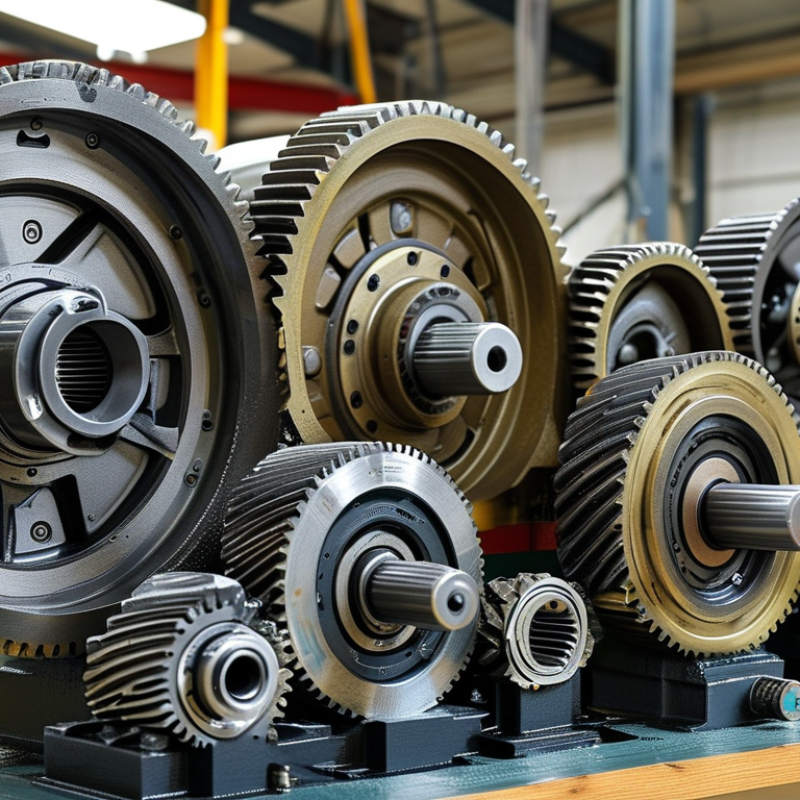
How to Choose the Best Heavy Duty Gearbox for Your Needs?

Understanding the Basics of Heavy Duty Gearboxes

When selecting a heavy-duty gearbox, understanding the fundamentals is essential. Heavy-duty gearboxes are designed for high torque and demanding environments. They often feature robust materials like cast iron or steel. This ensures durability and longevity under extreme conditions. Consider the gearbox type, such as planetary or helical designs, each with unique advantages.

Pay attention to the gearbox’s torque capacity and gear ratio. These factors directly influence performance. A higher torque rating allows for more powerful applications. However, an excessively high rating can lead to inefficiencies. Examine the mounting options as well. A gearbox must fit correctly in its designated space while facilitating optimal operation.

Maintenance requirements are often overlooked. Regular checks and lubrication can significantly extend the lifespan of your gearbox. Many users fail to adhere to maintenance schedules, leading to premature failures. It’s important to reflect on your specific needs. Don't be swayed solely by performance metrics. Assessing durability and maintenance aspects can save you time and costs in the long run.

Identifying Your Specific Application Requirements

When selecting a heavy-duty gearbox, understanding your application is crucial. Different industries have varying demands. The construction sector, for example, often requires gearboxes that can withstand harsh conditions and heavy loads. According to a recent report by the International Gearbox Association, more than 40% of gearbox failures in industrial settings stem from applications not matching the gearbox specifications.

Consider the environment where the gearbox will operate. Will it face extreme temperatures, vibrations, or dust? Each of these factors can affect the performance and longevity of the gearbox. For instance, gearboxes used in mining must endure significantly more wear and tear than those in less demanding environments. Research shows that selecting gearboxes with the right materials can increase durability by up to 25%.

It’s essential to assess your torque and speed requirements too. Each application has a specific torque range that the gearbox must accommodate. Oversizing a gearbox can lead to inefficiencies and increased operational costs. Yet, using an undersized gearbox may lead to breakdowns. Balancing these factors requires careful consideration and may involve trial and error. Identifying your exact needs early can save time and resources in the long run.

How to Choose the Best Heavy Duty Gearbox for Your Needs?

Gearbox Type Torque Capacity (Nm) Output Speed (RPM) Efficiency (%) Typical Applications
Planetary Gearbox 2000 300 95 Robotics, Conveyor Systems
Worm Gearbox 1500 150 85 Gear Reducers, Lifting Applications
Helical Gearbox 2500 250 90 Industrial Machinery, Fans
Bevel Gearbox 1800 200 88 Belt Drives, Packaging Machines
Spur Gearbox 2200 300 92 Agricultural Equipment, Conveyors

Evaluating Key Features and Specifications of Gearboxes

Choosing the right heavy-duty gearbox requires careful consideration of several key features. Load capacity is paramount. Be clear on the maximum load your application will require. With heavy loads, durability becomes more critical. Evaluate the material and construction quality.

Another important specification is the gearbox ratio. This ratio affects speed and torque. Ensure that the selected gearbox aligns with your equipment’s operational requirements. Performance varies with different ratios, indicating how the gearbox responds under specific conditions.

Further, pay attention to the maintenance needs of the gearbox. Some designs require frequent checks, while others are more self-sustaining. A gearbox that is hard to maintain can lead to increased downtime. Look for features that simplify maintenance and enhance reliability. There’s a balance to strike between performance and ease of use. Understanding these nuances can be the difference in long-term operational success.

Comparing Material and Construction Quality

When selecting a heavy-duty gearbox, the material and construction quality play crucial roles. Stronger materials offer better durability and longer lifespans. Steel and aluminum are common choices, but not all steel grades are equal. For instance, gears made from heat-treated alloy steel have increased strength and wear resistance. Studies indicate that gearboxes with superior material quality can reduce failure rates by up to 30%.

Construction quality also impacts performance. Precision machining ensures that the gears mesh correctly, reducing friction and wear. Regular maintenance can prolong lifespan, but a poorly constructed gearbox may need replacements sooner. According to industry reports, roughly 25% of gearbox failures stem from manufacturing defects. Choosing a supplier with stringent quality controls can mitigate risks.

It’s essential to assess these factors carefully. Sometimes, higher initial costs for quality materials pay off in reduced operational disruptions and maintenance needs. Balancing quality with budget constraints requires thought. Not every gearbox meets high standards, and overlooking details may lead to problems down the line.

Assessing Cost-Effectiveness and Warranty Options

When selecting a heavy-duty gearbox, cost-effectiveness and warranty options are essential. A suitable gearbox can significantly impact your operations. Evaluate your budget carefully. Look for features that meet your specific needs and avoid overspending on unnecessary options.

Tips: Compare products from different manufacturers. Analyze their specifications and prices. Assess long-term savings rather than just upfront costs. A higher initial investment may lead to lower maintenance fees. Warranty options can also provide peace of mind. Understand what exactly is covered. Some warranties come with limited scopes.

Check the warranty duration, maintenance requirements, and any exclusions. A robust warranty can protect your investment. Be cautious of offers that seem too good to be true. They might indicate lack of reliability. Analyze customer reviews for insights into product performance. Unbiased feedback can guide your decision-making.

FAQS

: What are heavy-duty gearboxes designed for?

: They are designed for high torque and demanding environments.

What materials are often used for heavy-duty gearboxes?

Common materials include cast iron and steel for durability.

Why is torque capacity important in gearboxes?

Higher torque allows for powerful applications but can lead to inefficiencies if excessively high.

What should be considered regarding gearbox maintenance?

Regular checks and lubrication can extend the gearbox's lifespan significantly.

How do environment conditions impact gearbox selection?

Extreme temperatures, vibrations, or dust can affect performance and longevity.

What happens if a gearbox is oversized?

Oversizing can lead to inefficiencies and increased operational costs.

What is a common reason for gearbox failures?

Many failures occur due to mismatches between the application and gearbox specifications.

How can selecting the right materials benefit gearboxes?

It can increase durability by up to 25% in demanding environments.

What’s a critical factor when assessing torque needs?

Each application has a specific torque range that must be accommodated.

Why is understanding your application essential?

It helps to avoid costly mistakes and enhances operational efficiency.

Conclusion

When selecting the best Heavy Duty Gearbox for your needs, it is crucial to first understand the fundamental principles behind these robust mechanical devices. Identifying the specific requirements of your application will guide you in choosing a gearbox that meets your operational demands. Key features and specifications, such as gear ratios, torque capacity, and mounting options, should be thoroughly evaluated to ensure compatibility with your machinery.

Moreover, the quality of materials and construction plays a vital role in the durability and performance of a Heavy Duty Gearbox. It is essential to compare different options based on their robustness, as well as assess cost-effectiveness alongside warranty offerings. By considering these factors, you can make an informed decision that aligns with your requirements, ensuring reliability and efficiency in your operations.

Liam

Liam

Liam is a dedicated marketing professional with a profound expertise in the industry, where he excels at highlighting the unique advantages of our core products. With a keen understanding of market trends and consumer needs, Liam frequently updates our company’s professional blog, providing......