In today's competitive landscape, the demand for geared electric motors is on the rise. These motors are crucial in various industries, powering everything from conveyor belts to robotic arms. Selecting the right supplier can be challenging, especially with the vast options available globally.
Industry leaders understand the nuanced needs of buyers. They focus on delivering quality geared electric motors that meet specific requirements. Reliability and performance are non-negotiable for these components. Customers seek suppliers who not only provide advanced technology but also have a proven track record.
However, not all suppliers are created equal. Some may promise the best but fail to deliver. Building a trustworthy relationship is essential. A well-informed decision can significantly impact operational efficiency and cost-effectiveness. As the market evolves, buyers must stay vigilant and prioritize suppliers who embody expertise and authenticity in geared electric motor manufacturing.
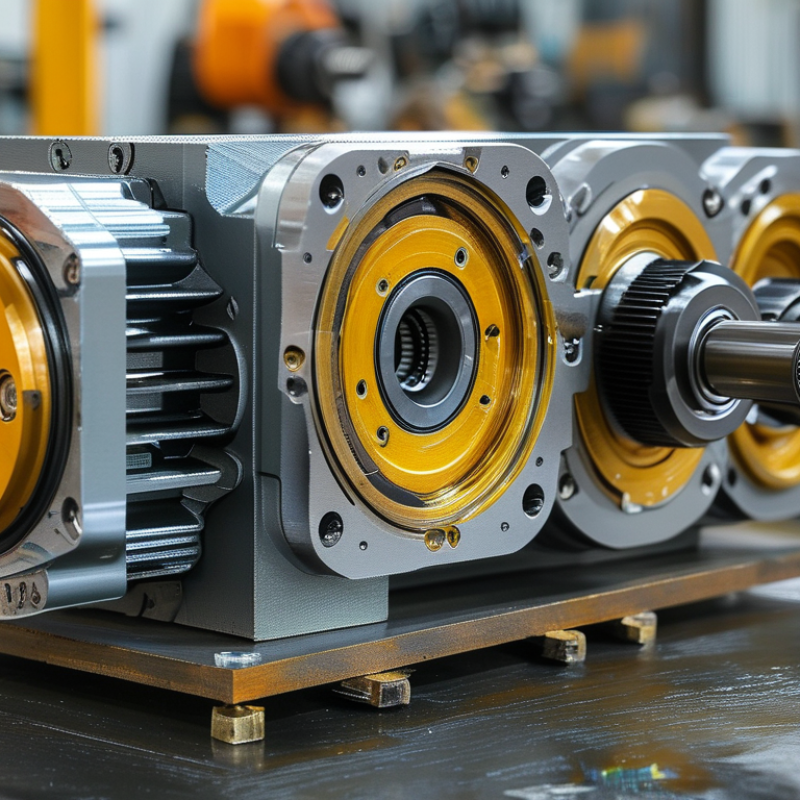
Overview of Geared Electric Motors and Their Applications
Geared electric motors play a critical role in various industries, providing precision and reliability. Their applications include robotics, automotive systems, and conveyor belts. According to industry reports, the geared motor market is projected to reach USD 30.2 billion by 2025, growing at a CAGR of 5.5%. This growth underscores the increasing demand for efficient drive systems.
These motors combine the benefits of electric drives with gearing systems, which amplify torque and reduce speed. In industrial settings, they are essential for enhancing productivity. However, not all geared motors are created equal. Users often face challenges in maintenance, reliability, and compatibility. Understanding the specific needs of an application is crucial. For instance, running a motor at incorrect speeds can lead to overheating and premature failure.
The diversity in design means users must choose wisely. Geared electric motors come in various sizes and configurations, impacting their performance in real-world conditions. While many suppliers offer competitive options, reliability is sometimes overlooked. Decision-makers should consider both technical specifications and supplier history. Balancing cost with quality remains a persistent dilemma in the selection process.
Top Geared Electric Motor Applications
Key Characteristics of High-Quality Geared Electric Motors
When looking for geared electric motors, quality is paramount. High-quality motors exhibit distinct characteristics that enhance reliability and performance. One key aspect is the gear ratio. A proper gear ratio ensures optimal torque and speed for specific applications. A well-designed motor will maintain consistent performance, even under varying load conditions.
Another important characteristic is thermal management. Motors should have effective cooling systems to prevent overheating. This ensures longevity and reliability. Vibration damping features are also crucial. They minimize wear and tear on both the motor and the connected equipment. Pay attention to the materials used in manufacturing gears and housings. Durable materials prolong the lifespan of the motor.
Consider these tips when selecting a geared motor. Evaluate the supplier’s experience and expertise in the field. Ensure they follow industry standards for manufacturing. Reliability often correlates with a supplier's reputation. Look for comprehensive warranties and support options. The right choice can significantly impact your operations and efficiency.
Top Global Suppliers of Geared Electric Motors
As the demand for geared electric motors grows, so does the need for reliable suppliers. The global market for these motors is expected to reach $9 billion by 2026, with a compound annual growth rate of 4.5%. This growth is driven by industries such as automotive, robotics, and renewable energy, where precision and efficiency are paramount.
When selecting a supplier, buyers should consider factors such as production capacity, technological advancements, and customer service. Reports have highlighted that suppliers with robust R&D teams often deliver higher-quality products. Collaboration with experienced manufacturers can lead to innovative solutions, essential in a competitive landscape. However, not all suppliers can meet the diverse needs of different applications. Some may lack flexibility in production, leading to delays in project timelines.
Quality assurance plays a critical role. It's important for suppliers to adhere to global industry standards and certifications. Potential buyers should verify compliance with ISO standards, ensuring reliability and safety. Additionally, transparency in supplier-client relationships fosters trust and long-term partnerships. Yet, not all suppliers maintain these standards equally, and buyers must remain vigilant.
Criteria for Selecting the Right Supplier for Your Needs
Selecting the right geared electric motor supplier is crucial for your projects. The choice can influence efficiency and overall performance. First, evaluate the supplier's expertise in the industry. Look for a supplier with a track record of successful projects. Experience counts, especially in specialized applications.
Consider the variety of products they offer. A good supplier should provide diverse options to meet specific needs. This means they have the capability to cater to different applications. It's also worth checking if they offer custom solutions. Customization can sometimes be necessary for unique requirements.
Another key aspect is communication. A supplier should prioritize transparency and responsiveness. How quickly do they answer inquiries? Slow responses can be a red flag. Trust your gut if you sense a lack of reliability.
It's essential to weigh pricing against quality. Cheap options might seem appealing, but they can lead to bigger problems. Quality motors can save costs in repairs and replacements down the line. Always ask for references and case studies. Seeing their work can provide valuable insight.
Future Trends in the Geared Electric Motor Industry
The geared electric motor industry is rapidly evolving. Manufacturers are adapting to changing market needs. With advancements in technology, the future promises much more efficiency and versatility. Smart motor systems are becoming increasingly prominent. These systems enhance performance, reduce energy consumption, and promote sustainability.
Emerging trends highlight the importance of energy efficiency. Geared electric motors are being designed to operate at lower energy levels. This shift not only benefits the environment but also offers cost savings for businesses. Additionally, digitalization is driving innovation in this sector. IoT integration allows for better monitoring and maintenance, improving reliability.
However, challenges persist. The supply chain remains a critical focus area. Companies must navigate fluctuating material costs and increasing demand. This dynamic landscape requires constant adaptation and reflection on practices. Manufacturers should consider how to overcome these hurdles while sustaining growth and meeting global standards.
FAQS
: They are used in robotics, automotive systems, and conveyor belts. They enhance precision and reliability in various applications.
These motors combine electric drives with gearing systems, amplifying torque and reducing speed for better performance.
Users often deal with challenges in maintenance, reliability, and compatibility with specific application needs.
A reliable supplier can provide quality products and innovative solutions, ensuring timely project completion and efficiency.
Geared electric motors are increasingly being designed for lower energy operation, benefiting both costs and environmental impact.
Buyers should verify compliance with global standards and seek transparency in supplier-client relationships to foster trust.
Trends include smart systems, IoT integration, and a strong focus on energy efficiency and sustainability.
They must navigate fluctuating material costs and increasing demand, requiring constant adaptation and reflection.
Running a motor at incorrect speeds can cause overheating, leading to premature failure and operational issues.
Balancing cost with quality remains a common challenge for buyers in the selection process.
Conclusion
Geared electric motors play a crucial role in various industries due to their ability to convert electrical energy into mechanical motion efficiently. These motors feature a unique design that includes gears to enhance torque and speed control, making them suitable for applications in manufacturing, automation, and transportation. When evaluating geared electric motors, key characteristics such as durability, energy efficiency, and reliability stand out as indicators of high quality.
For global buyers seeking top suppliers of geared electric motors, it is essential to consider specific criteria such as supplier reputation, product range, pricing, and customer support. As the industry evolves, future trends are leaning towards advanced technologies and greater customization, paving the way for innovations that will enhance performance and sustainability in geared electric motor applications.

 Stepper Motor