Global Industrial Motion Technology Specialist

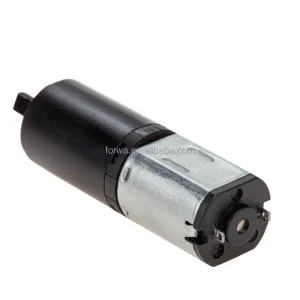
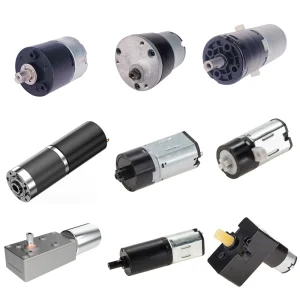
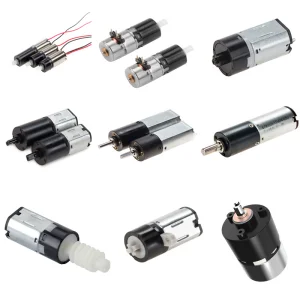
China Top Servo Gear Motors Manufacturer & Exporters

Precision micro-drive systems engineered for extreme durability, noise optimization, and unmatched torque-to-volume ratio. Delivering global standard E-E-A-T compliant industrial solutions.

Brand Strength & Strategy

Small Motors. Massive Possibilities.

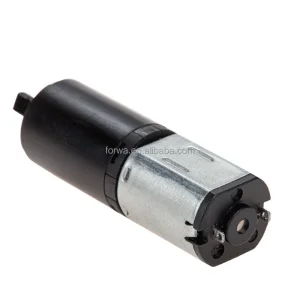
TQC Micromotor is a forward-thinking Chinese manufacturer redefining precision motion control in the micro-drive industry. We design and build high-efficiency micro DC and BLDC motors that power next-generation technologies worldwide.

Driven by our core philosophy—Top Quality & Customization—we combine advanced manufacturing tech with flexible engineering to provide global B2B clients with the transparency of a local partner and the cost benefits of a premier Chinese factory. Built to last. Engineered to fit.

"We bridge the gap between heavy industrial torque demands and microspace limits. Our systems are engineered to operate quietly and sustain lifetime reliability even in harsh environments."
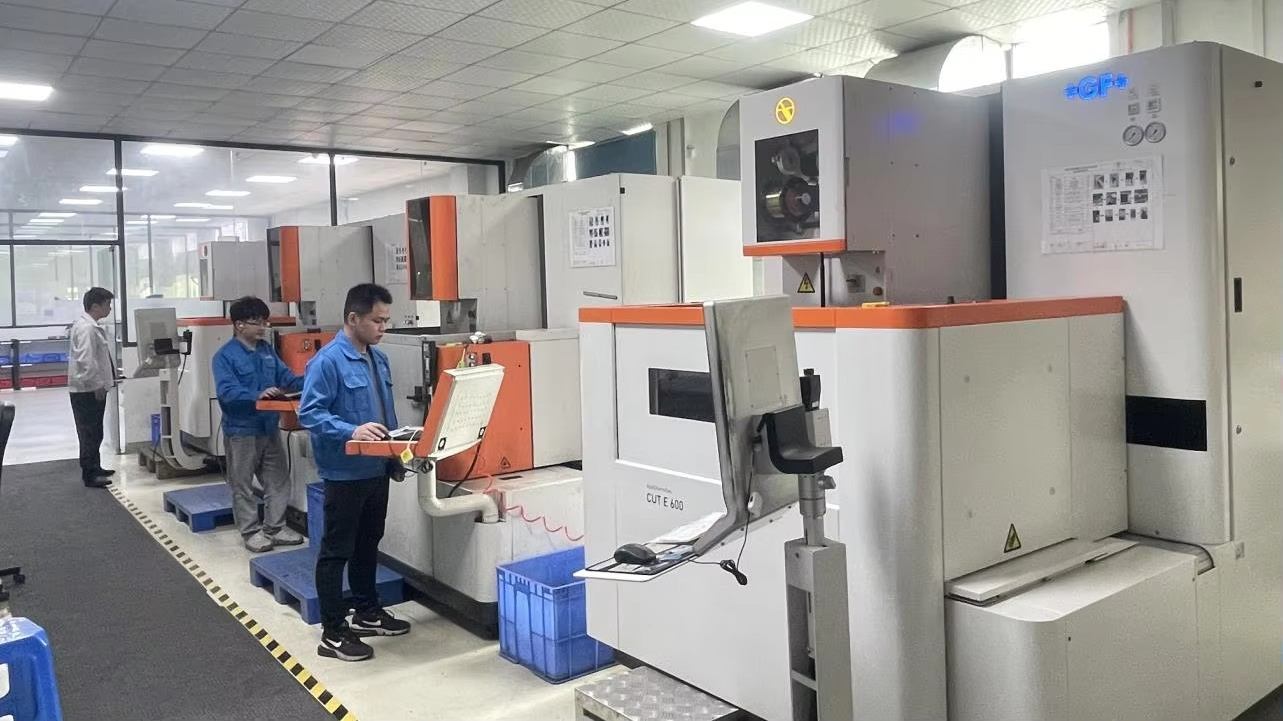
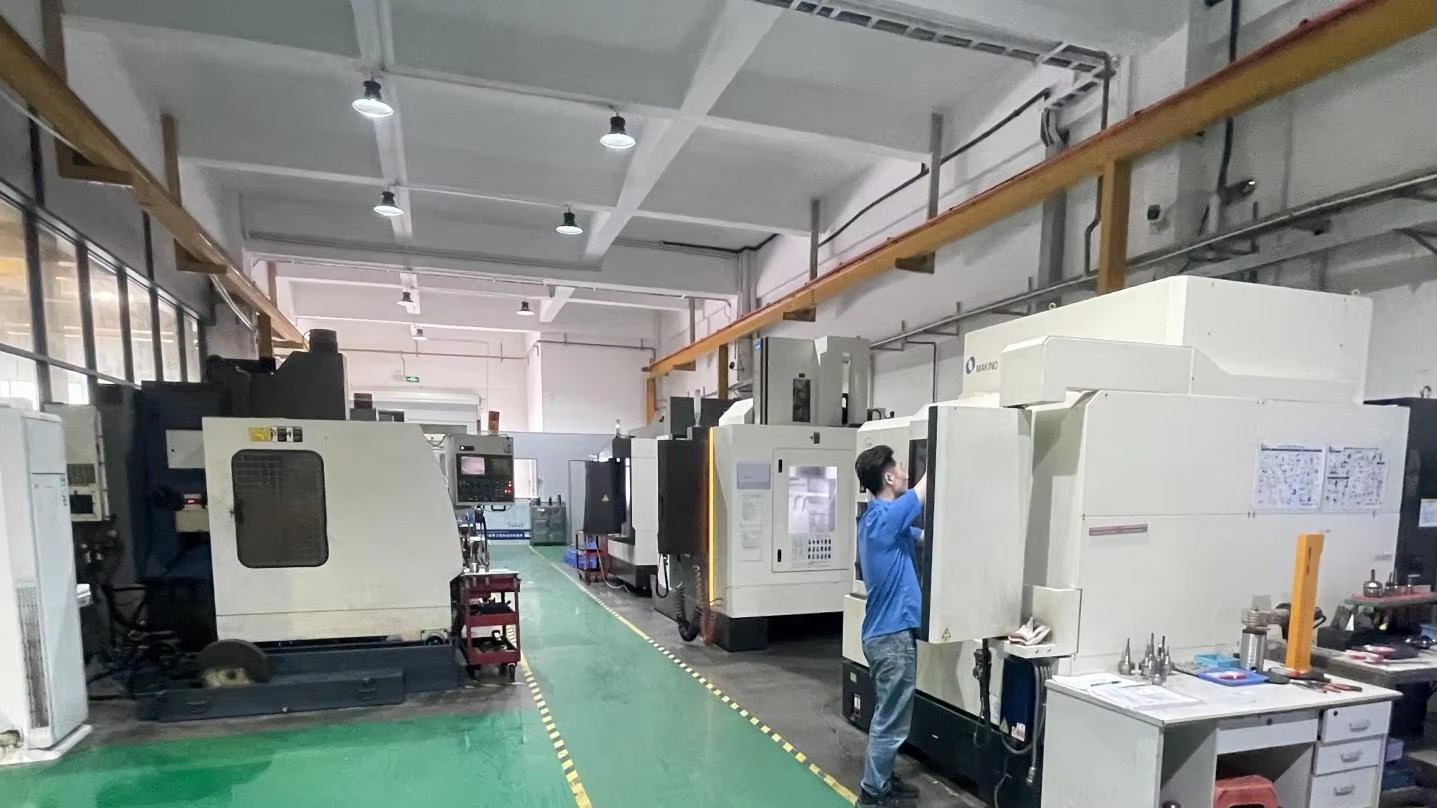
TQC Micromotor Manufacturing Facility
0.35
Min Gear Module (M)
<45dB
Ultra-Low Running Noise
100%
In-House QA Inspection
ISO9001
Certified Manufacturing

Industry Landscape & Strategic Roadmap

A comprehensive research-grade analysis of the global micro servo gear motor market, evolving kinematics, and customization methodologies.

1. Global Industrial Landscape of Micro Motion Control

The global demand for high-density micro servo gear motors has intensified, spurred by the surge in automation, wearable medical gear, smart locks, and consumer technology. Today, industrial designers seek motors that consume less current while rendering maximum output torque within smaller spatial volumes. As a result, planetary gear reduction systems have surged ahead of traditional spur gears due to their ability to distribute radial load evenly across multiple planets, reducing mechanical wear and enhancing operational longevity.

China has transitioned from a pure volume manufacturing hub to a source of highly engineered motion components. By implementing precision plastic injection processes (using materials like POM, Derlin, and PA66 Nylon) and advanced CNC milling, manufacturers can achieve tighter tolerances equivalent to Western counterparts at a optimized cost structure.

2. Core Applications & Localized Engineering Solutions

Micro gear motors act as the critical physical muscle behind everyday smart systems:

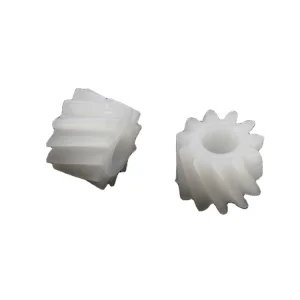
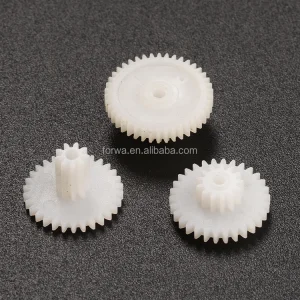
  • Automotive & Smart Cabin: Automated cell phone shelves, electric sun curtains, and auto-adjustable headrests demand motors with low noise profiles (often using precision helical plastic gears to eliminate high-frequency gear whine).
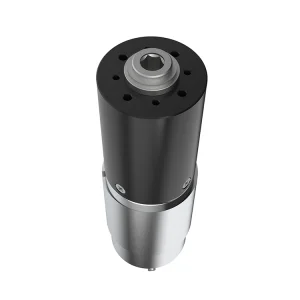
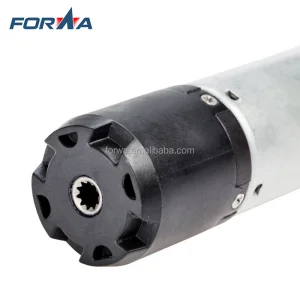
  • Medical Technology: Dental auto-adjustable chairs and surgical micro-drives demand robust, high-torque planetary reduction systems (such as the 30mm 12V planetary gearbox) to ensure absolute safety and precise positioning.
  • Smart Home Automation: Micro coreless motors power high-reliability digital locks, mixing chambers, and automated bottle warmers. These systems call for specialized food-grade or wear-resistant plastics (POM) to ensure they withstand millions of cycles without degradation.

3. Technical Roadmap: Materials & Design Advancements

The future of planetary and servo gear motors revolves around two key design pillars: Coreless Windings and Composite Gear trains. Coreless motors eliminate the iron core in the rotor, removing magnetic cogging and allowing for exceptionally smooth rotation at low speeds—essential for optical focus lens assemblies.

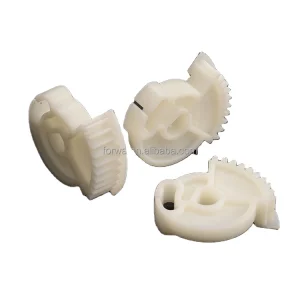
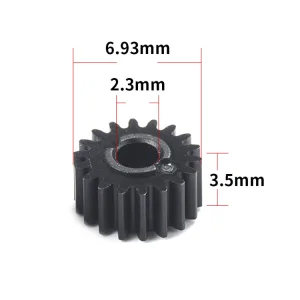
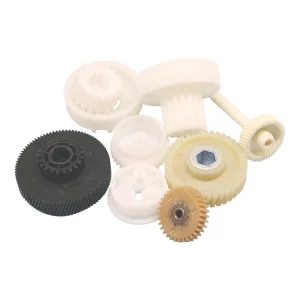
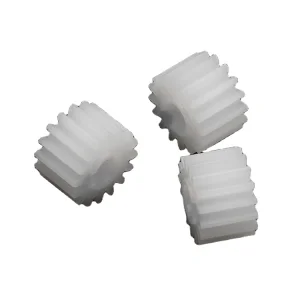
On the gear side, combining POM (polyoxymethylene) gears with steel pinion gears allows design engineers to optimize noise while maintaining mechanical resilience. Injection molding of small-module gears (down to module 0.35) demands precise mold temperature controls and EDM processing to eliminate internal shrinkage voids.

Engineering Focus

Noise Mitigation: Using helical gear profiles with optimal helix angles reduces impact force during meshing, dropping noise by up to 10-15 dB.

Backlash Optimization: Planetary systems are customized to restrict rotational backlash, securing higher repeatability for micro-actuators.

Material Integrity: Utilizing virgin POM and PA66 Nylon prevents dimensional warping under thermal stress, ensuring long-term meshing accuracy.

End-to-End Production Process

How we ensure quality control from the raw tooling stage down to final product packaging and delivery.
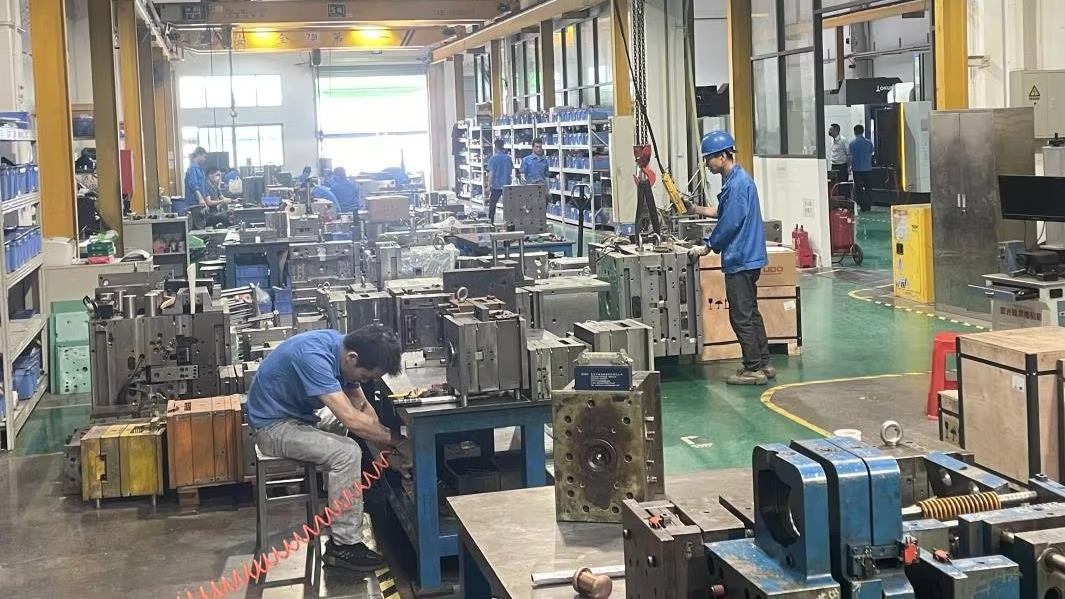
Mold Making

1. Mold Making

Tooling design with microscopic clearances to ensure precision plastic gear tolerances.
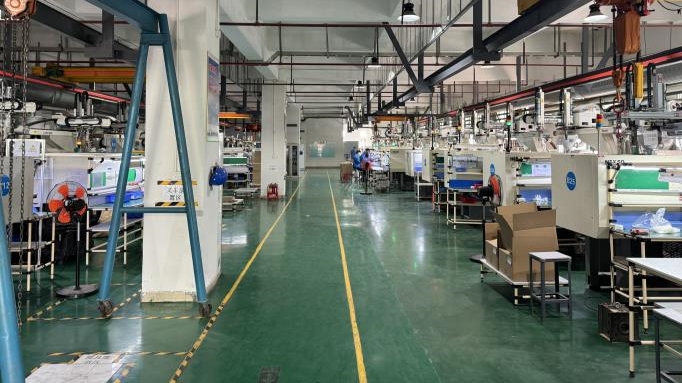
Injection Molding

2. Injection Molding

State-of-the-art injection machines forming polymer gears under regulated pressures.
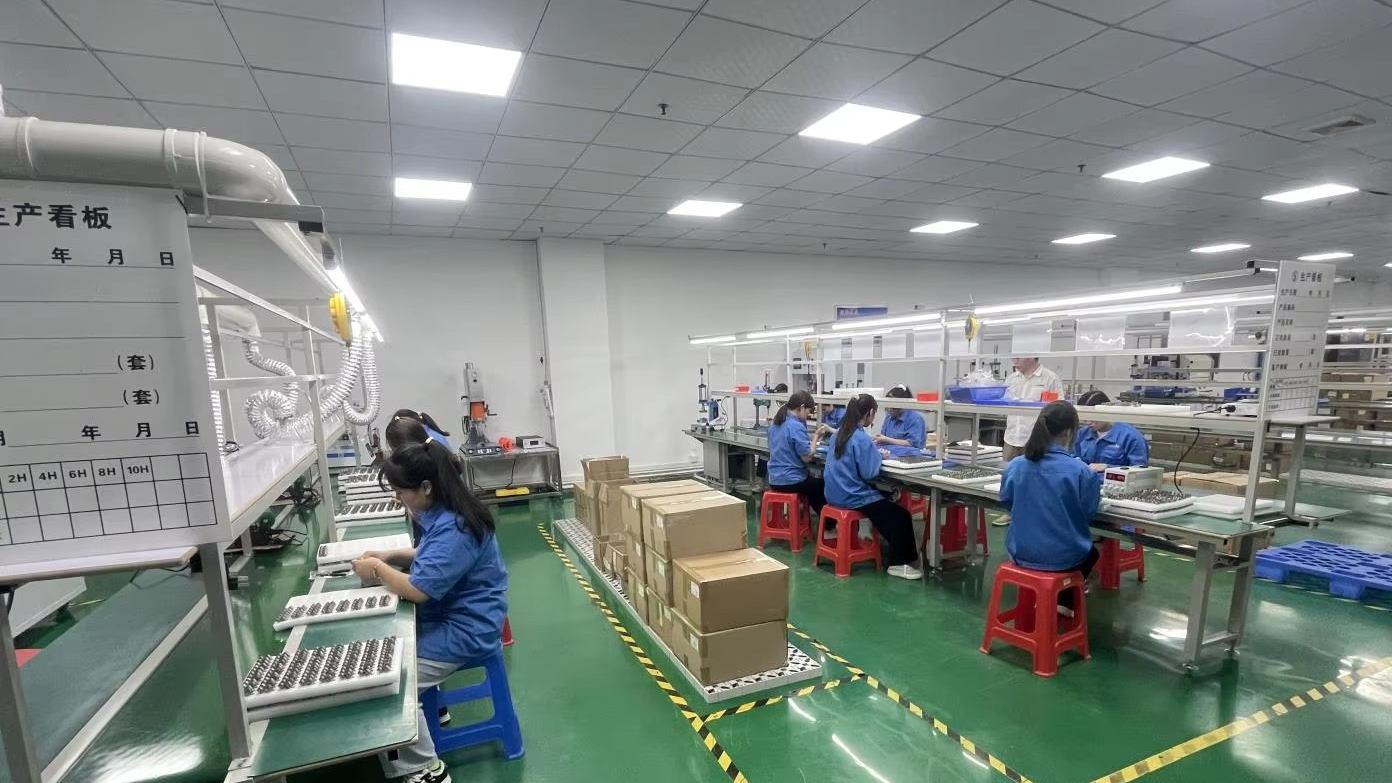
Assemble

3. Assemble

Dust-free assembly rooms for sensitive coreless motor wind and planetary alignment.
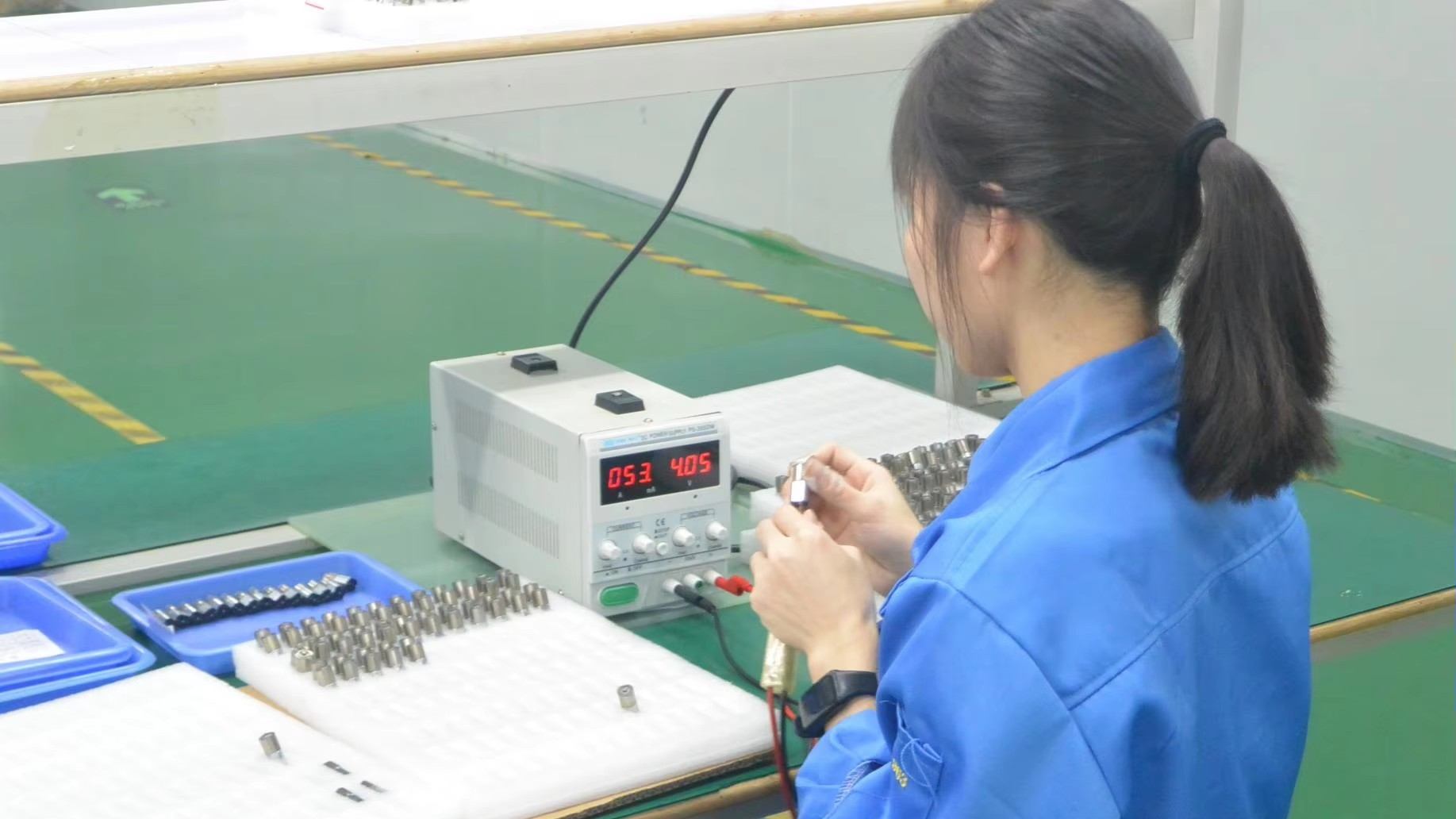
Testing

4. Testing

Rigorous test protocols covering torque output, rpm stability, current, and noise.
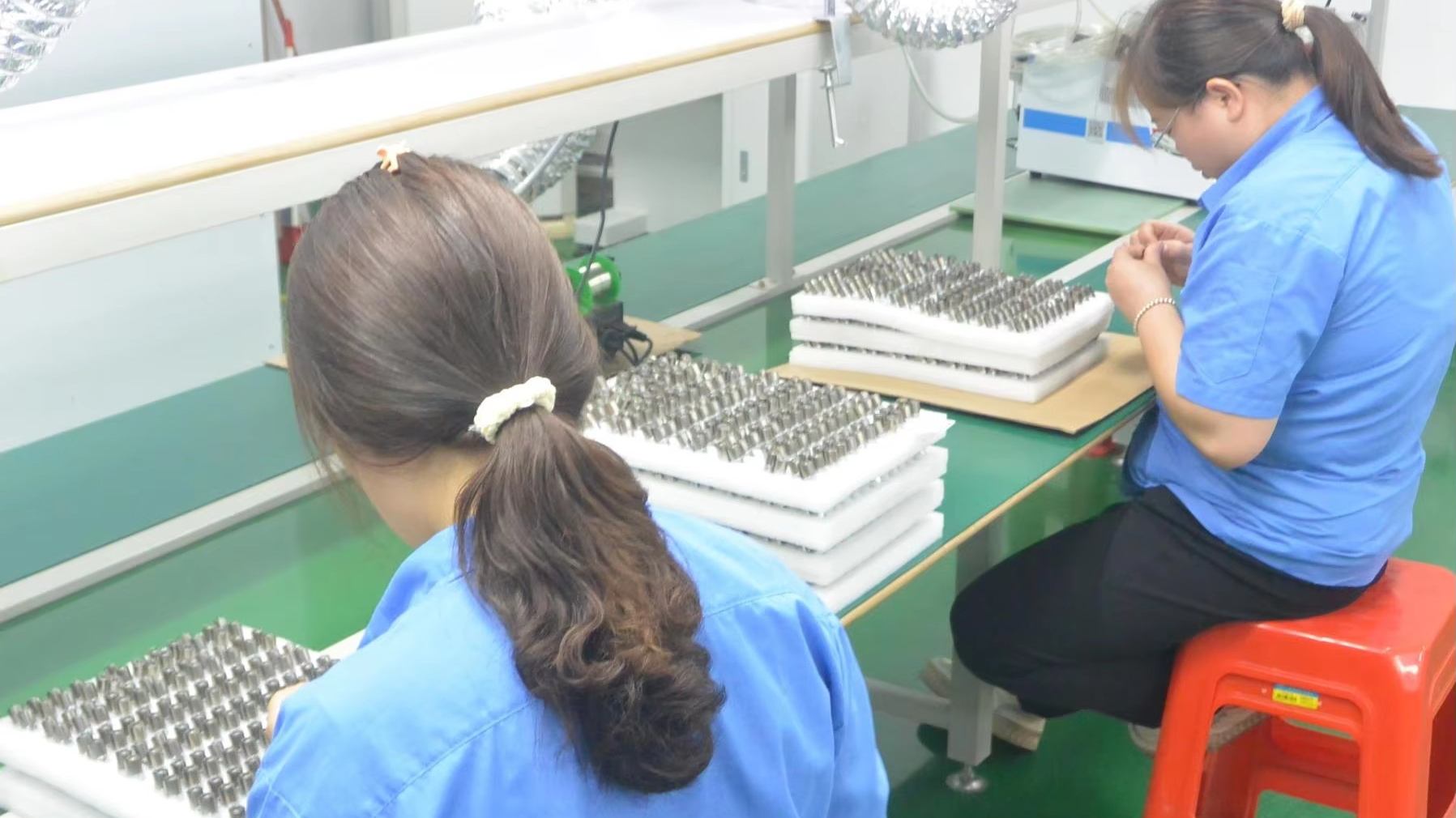
Package

5. Package

Custom electrostatic-safe packaging for safe export across international borders.
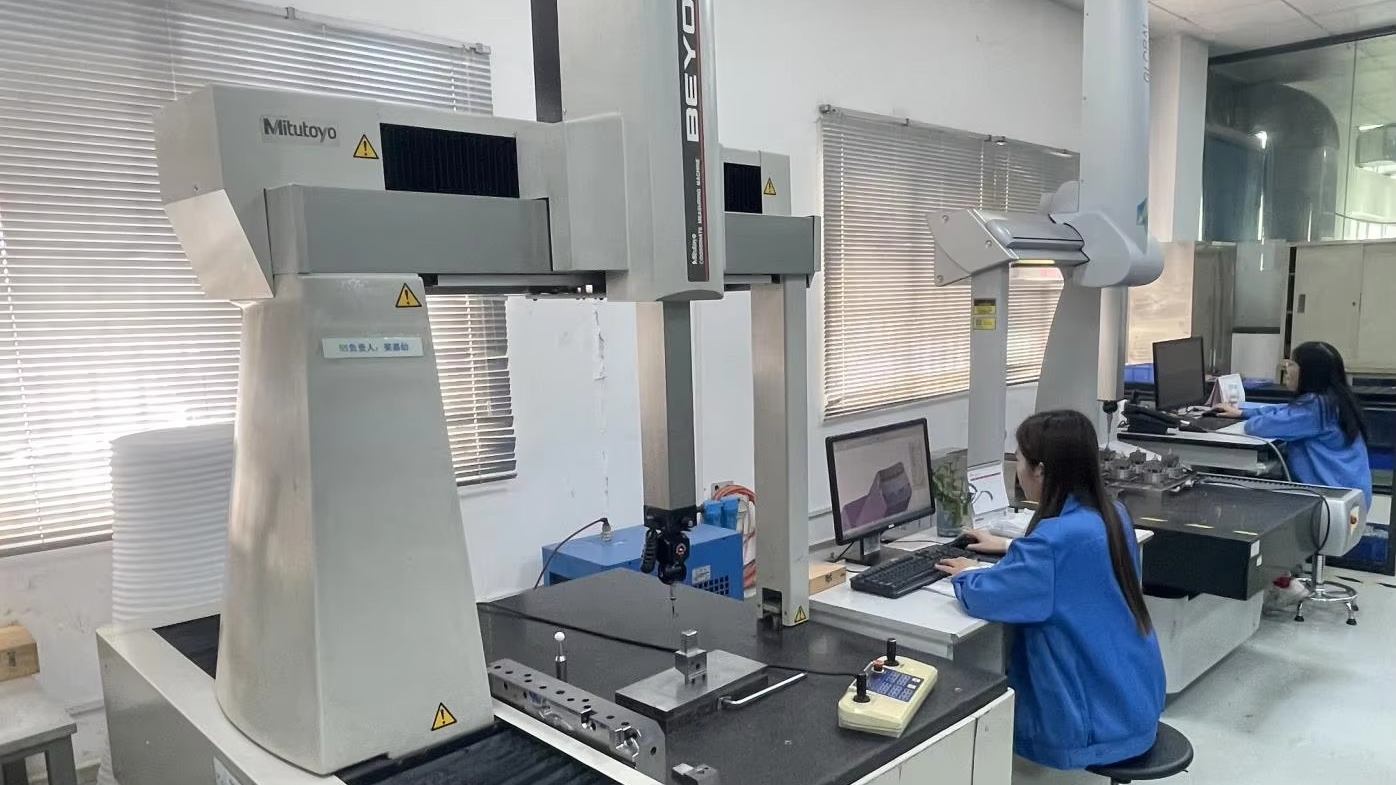
Quality Inspection

6. Quality Inspection

CMM coordinate checking to guarantee conformity of customized gear arrays.

Advanced Machining & Metrology Instrumentation

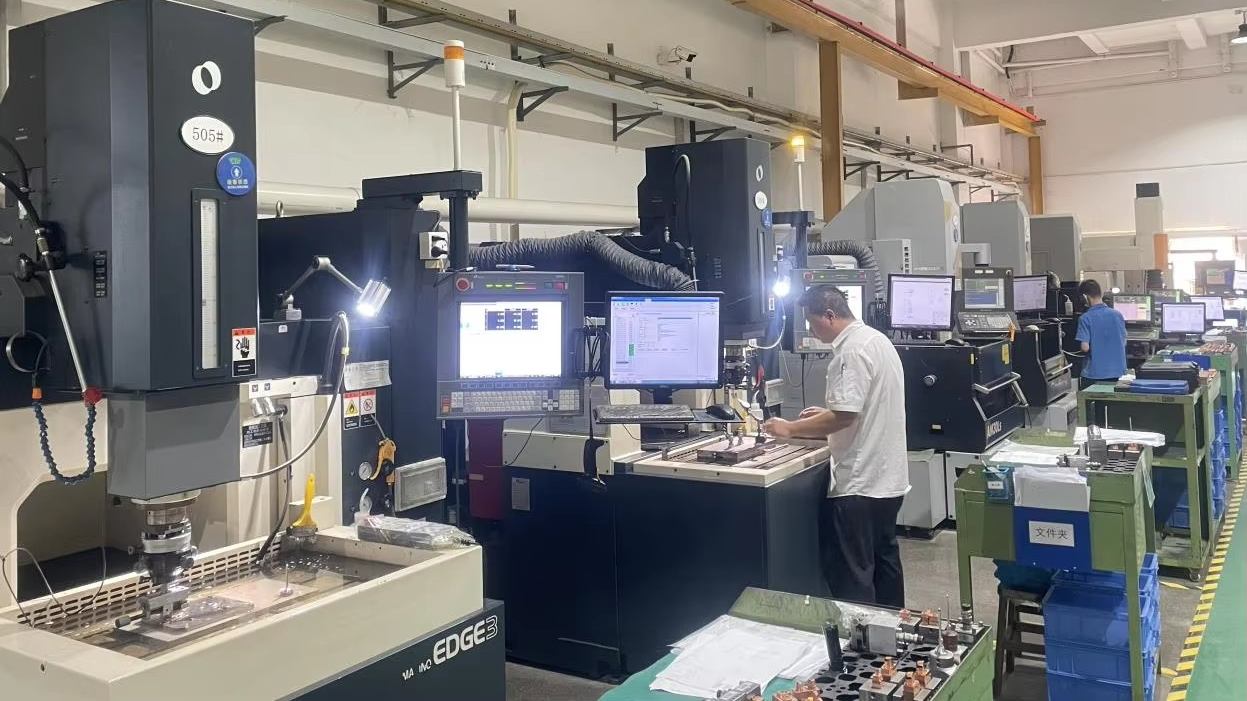
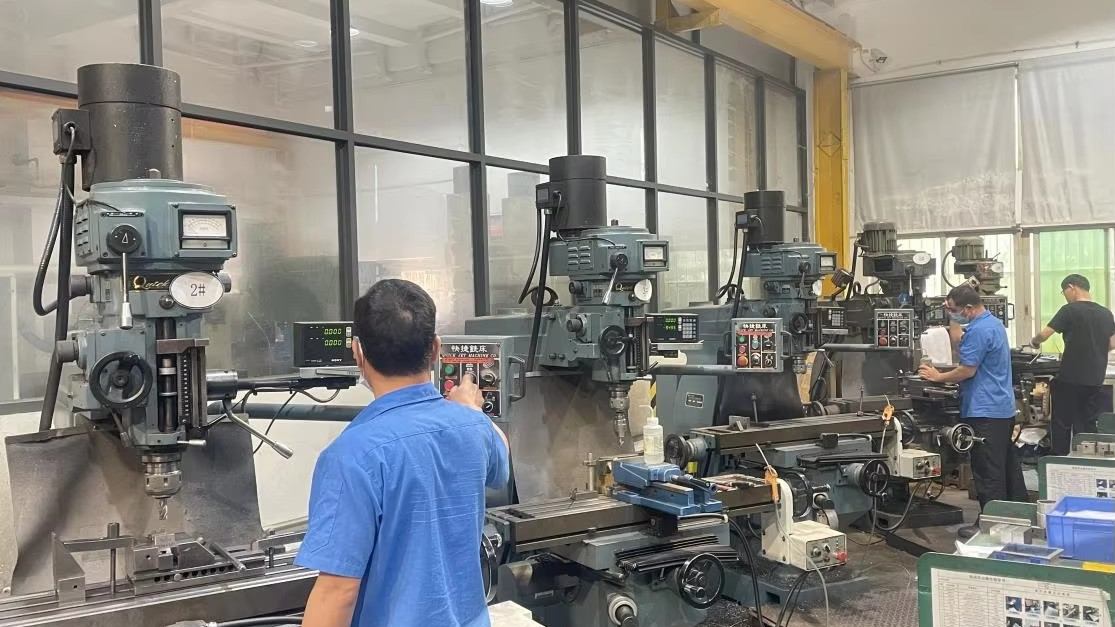
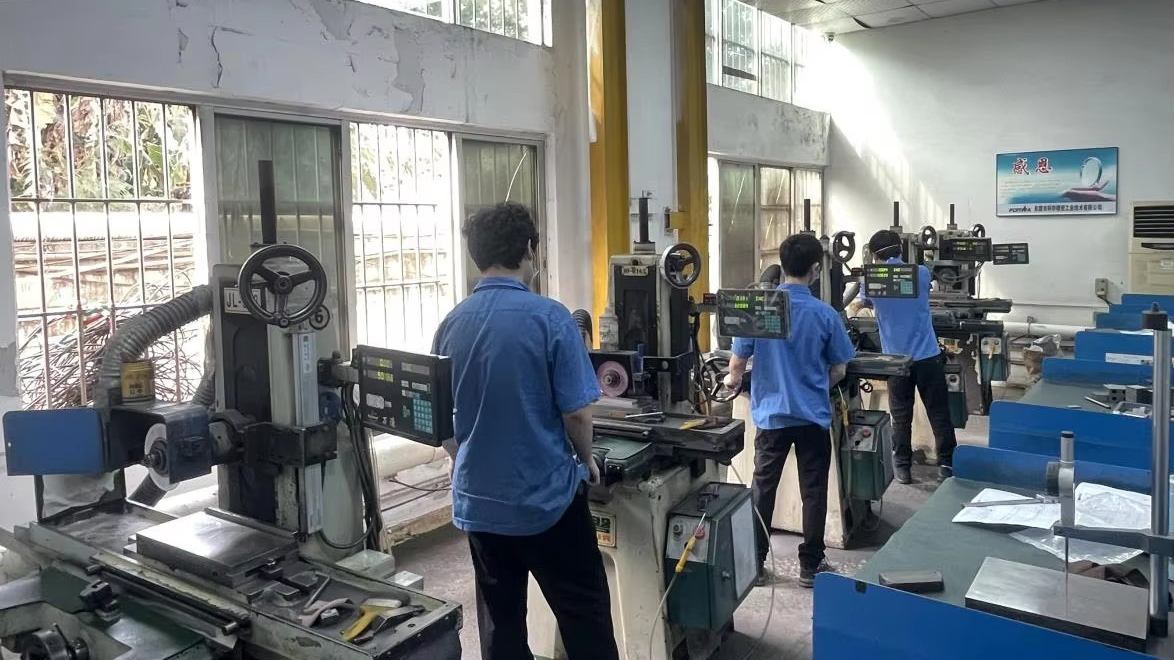
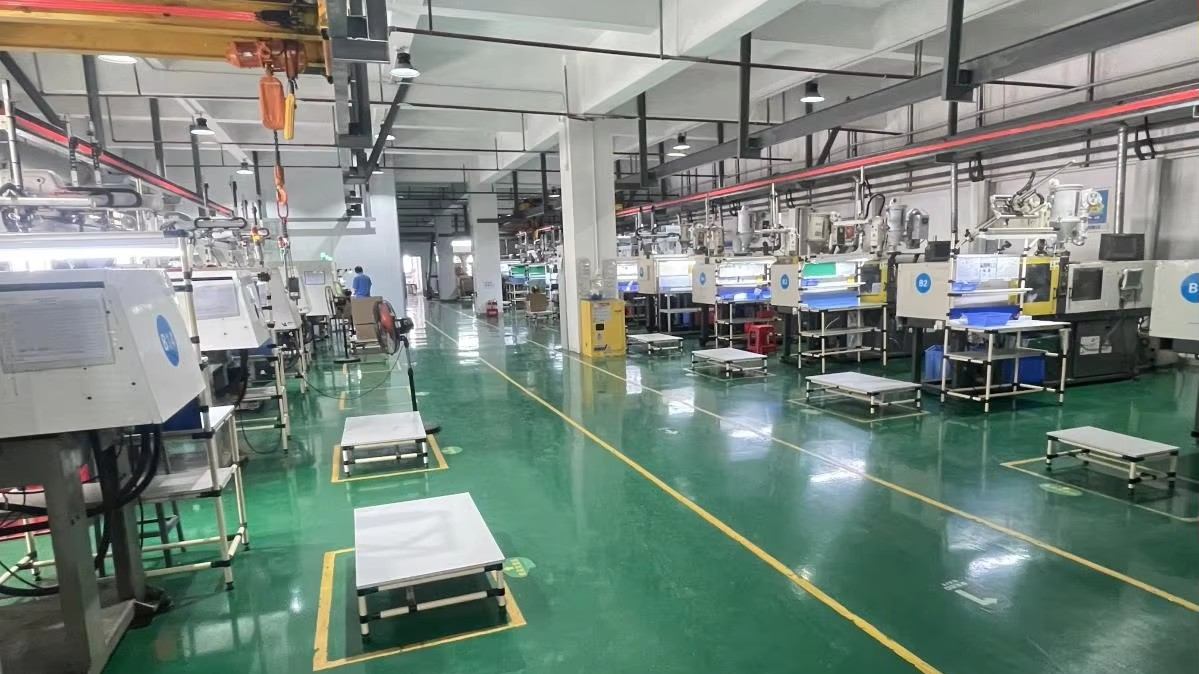
Our facility houses high-end gear grinding, EDM, CNC and specialized inspection centers to satisfy strict global tolerances.
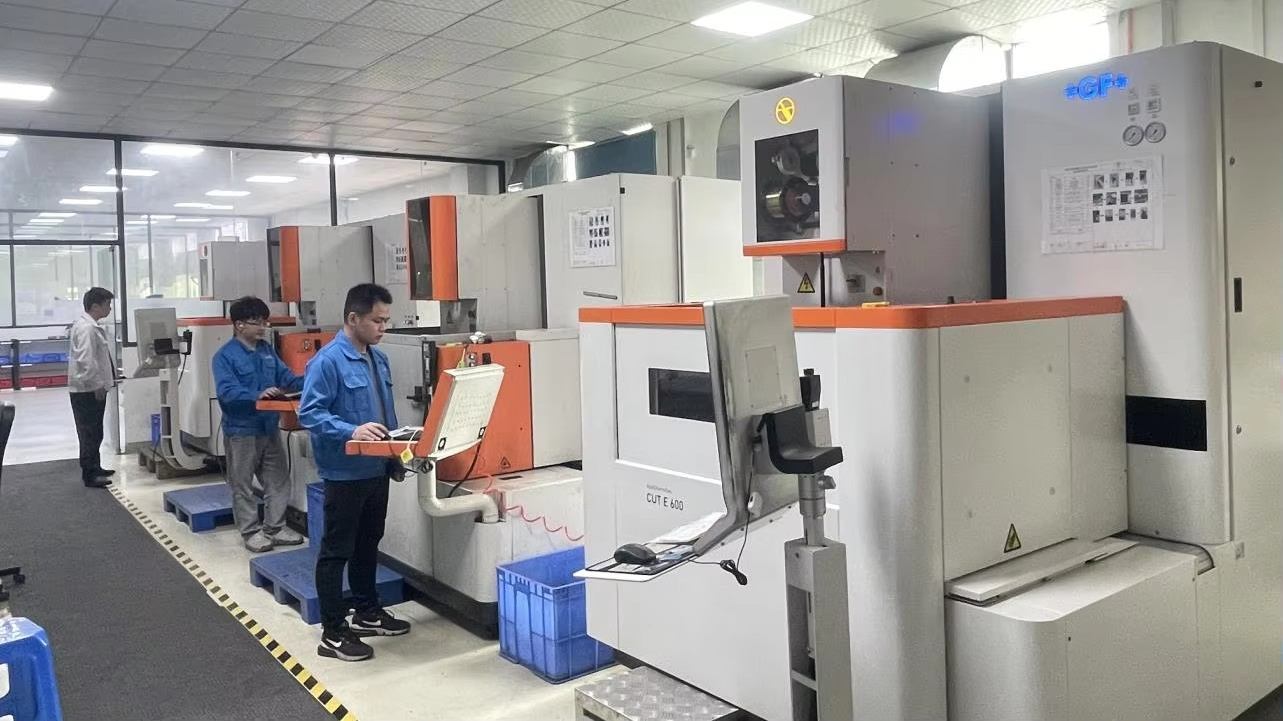
Slow Wire Machine
Slow Wire Cut Machine
Injection Molding Machine
EDM Machine
Precision EDM
CNC Machining Center
High-Speed CNC
Milling Machine
Precision Milling Machine
Grinding Machine
Precision Grinding Machine
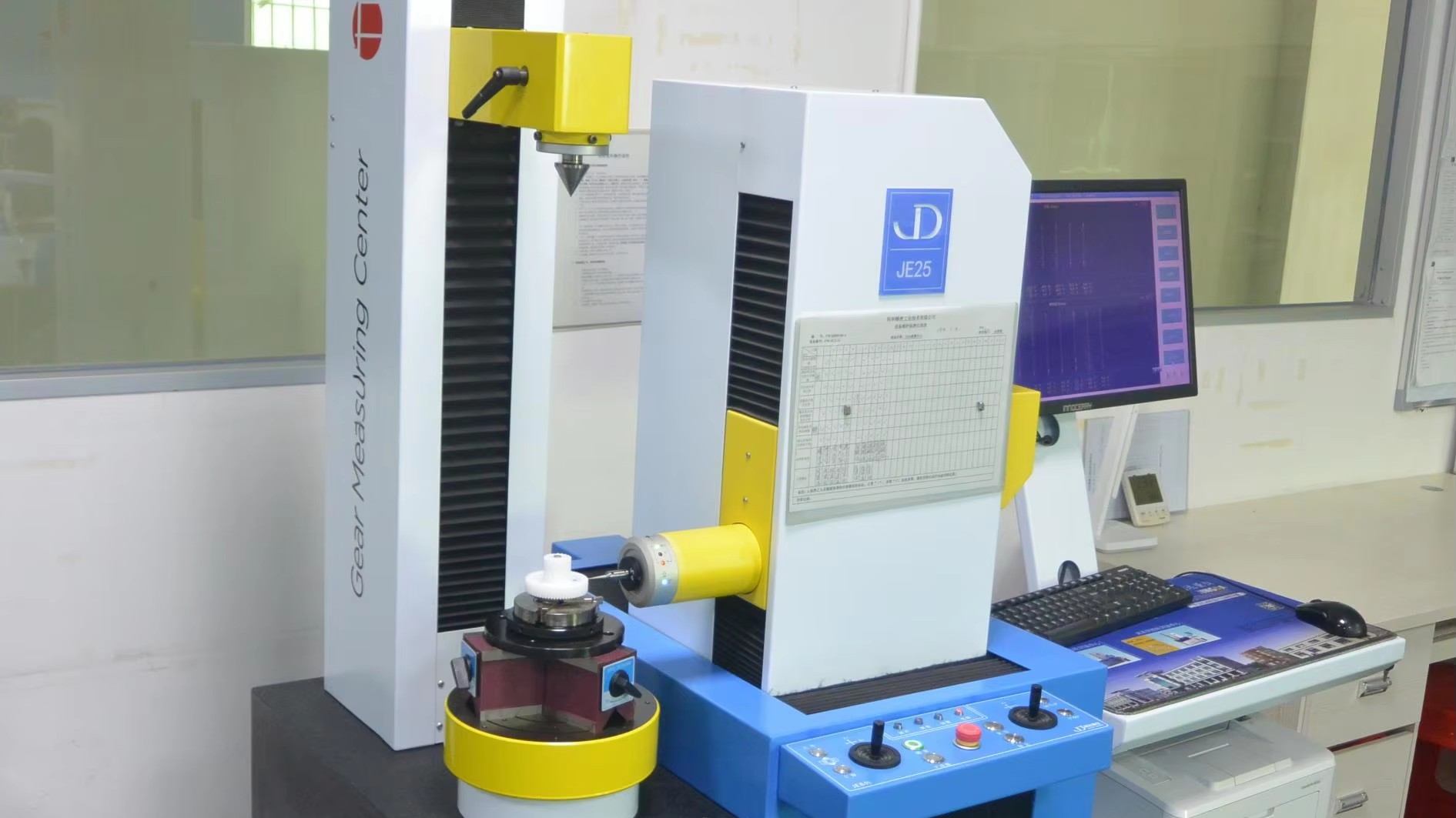
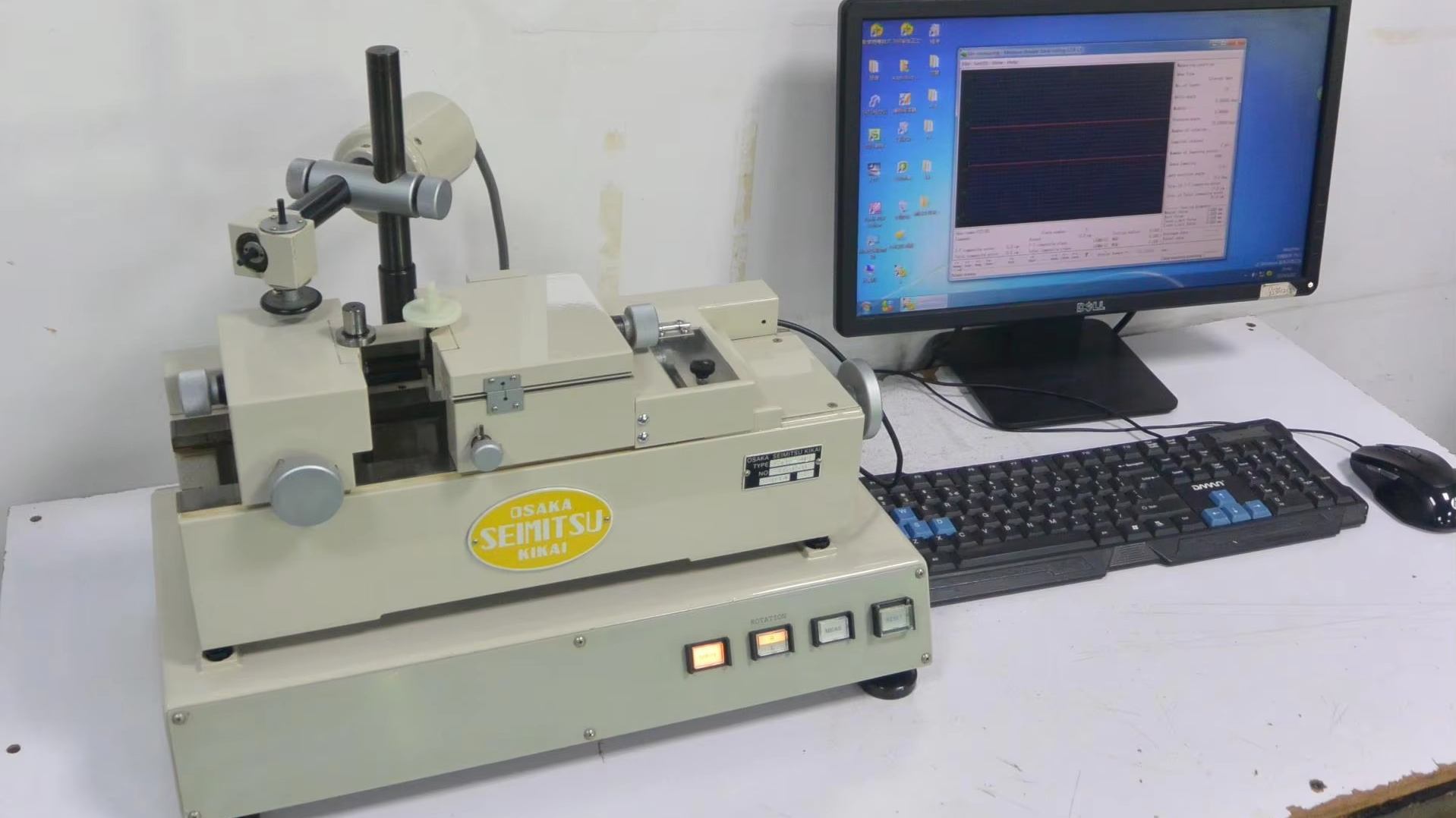
JE25 Measurement Center
Gear Meshing Instrument
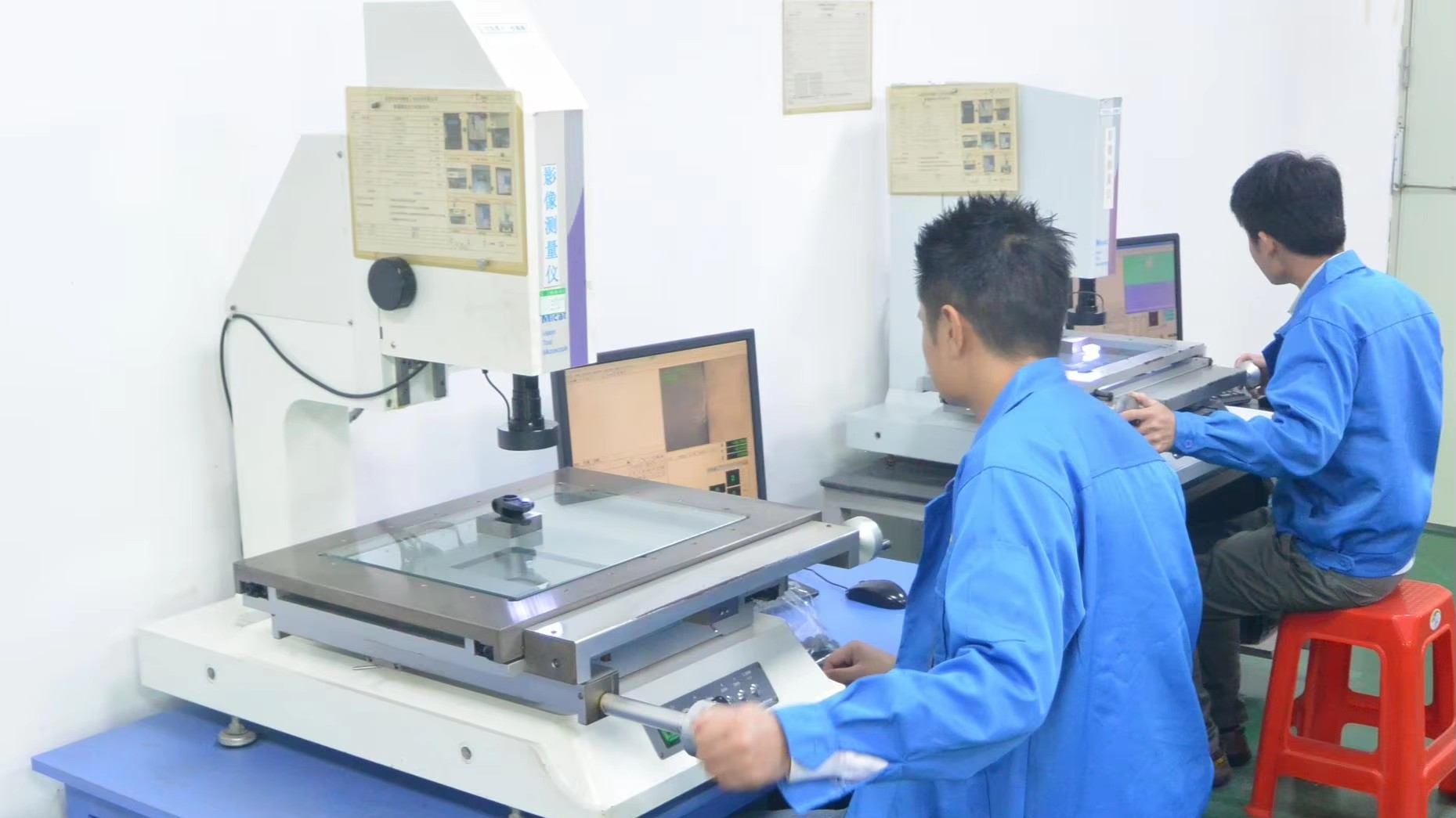
Image Measuring Instrument
CMM
Coordinate Measuring Machine
Die Parts Processing
Injection Tooling Facility
Injection Tooling Bench

Engineering Strengths & Design Capacities

Innovative mechanical optimizations delivering high reliability, whisper-quiet operations, and optimal system lifespans.

Module Customization

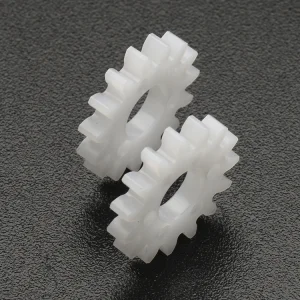
We process fine-pitch spur and helical gears down to 0.35 Module (M) using robust engineering polymers such as Pom, Nylon, and Delrin.

Low Noise Acoustics

Engineered tooth profile modifications and micro meshing dynamics lower overall high-frequency operational hum below 45 dB.

Strict Metrology

Each batch undergoes Coordinate Measuring Machine (CMM) and JE25 center inspection to align gear center distance with tight specs.

Engineering & Procurement FAQ

Get professional, authoritative answers to core technical inquiries regarding micro gear motor configurations and manufacturing.

Q1: What are the main benefits of plastic gears (POM/Nylon) over steel gears in micro planetary motors?
Plastic gears (particularly POM/polyoxymethylene and PA66 Nylon) offer excellent self-lubrication, high damping capacity, and lightweight profiles. They reduce system weight and running noise by absorbing gear meshing vibrations. In low-torque, consumer-facing appliances (like cell phone shelves or bottle mixers), POM gears yield superior durability while eliminating the rust risk and grease requirements associated with sintered or cut metal gears.
Q2: How do you guarantee concentricity and structural accuracy in micro gear production?
Concentricity is guaranteed through our advanced testing and tooling setups. We manufacture all molds in-house using slow wire cut and high-precision EDM. Our post-production inspections utilize coordinate measuring machines (CMM) and JE25 measurement centers to cross-verify gear module tooth pitch, runout, and gear center-distance tolerances down to micron levels.
Q3: Can your motors operate under continuous-duty cycle profiles?
Yes. Depending on the design selection, we build brushless (BLDC) motors and high-efficiency coreless DC motor drives tailored for sustained service life. For high-torque applications requiring intermittent action, we customize gear ratios to protect the gear teeth against thermal stress and fatigue failure under startup load conditions.
Q4: What is the typical lead time for custom gear motor prototypes?
Standard prototype adaptations (such as shaft changes or gear ratio swap-outs) typically require 2 to 3 weeks. Full custom mold development for special gear profiles or proprietary gear housings takes approximately 4 to 6 weeks, which includes tool building, test injections, and coordinate profile checking.