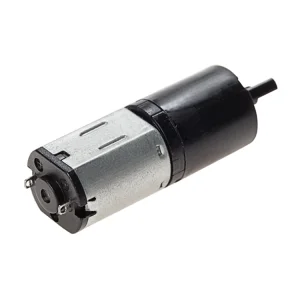
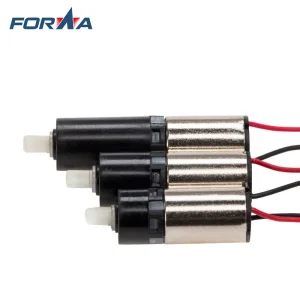
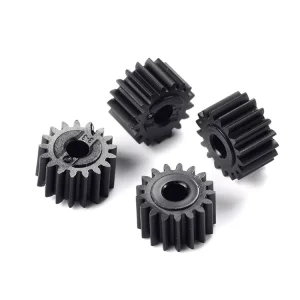
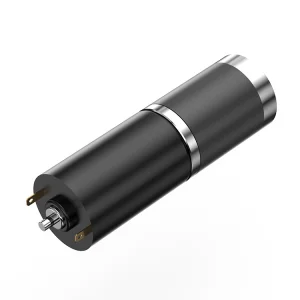
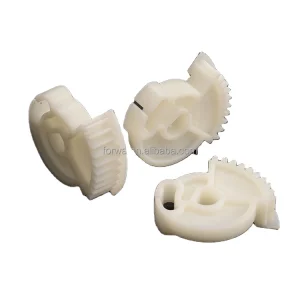
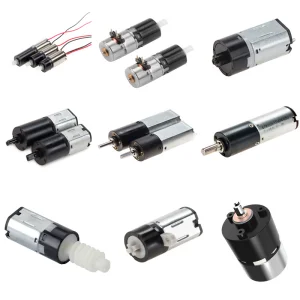
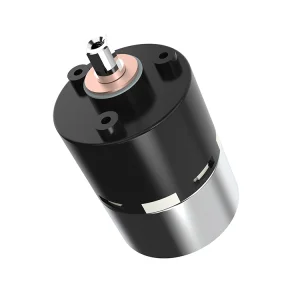
Explore our premium selection of highly engineered, low-noise micro gear motors, designed for high durability and acoustic control across diverse industrial applications.
In modern electronics, medical devices, and smart home ecosystems, physical noise is no longer just an aesthetic concern; it is a critical benchmark of quality. A noise increase of just 3 decibels (dBA) represents a doubling of sound intensity, which can negatively affect user satisfaction and cause components to wear out faster.
Standard gears generate noise from friction and impact when the teeth mesh. Low-noise gearboxes use custom-engineered helical gear shapes or highly precise spur designs that maximize the contact ratio. By spreading the load over a larger surface area, these designs reduce the impact forces on individual teeth, preventing the vibrations that cause high-pitched whining.
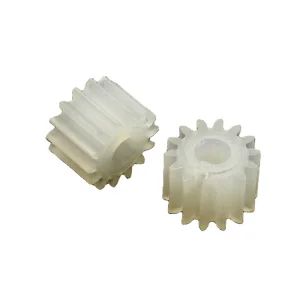
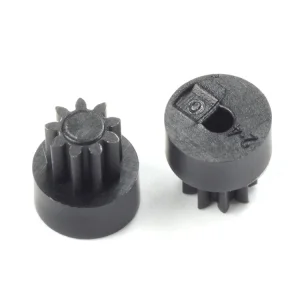
Choosing the right materials is essential for quiet operation. Integrating self-lubricating nylon, polyoxymethylene (POM), and engineering plastics helps absorb high-frequency vibrations. When paired with high-tensile steel drive shafts, hybrid metal-plastic gear trains offer a great balance of quiet performance, durable torque transmission, and long wear life.
Internal misalignment is a common cause of gearbox noise. Using high-grade double-shielded ball bearings or specialized sintered bronze sleeve bearings ensures the rotor shaft stays perfectly centered. Minimizing radial and axial play helps prevent resonance, lowering operational noise to under 35 decibels in premium configurations.
Information Gain Metric: High-precision testing reveals that utilizing a hybrid plastic-metal planetary gear stage in micro motors reduces acoustic output by 12-18% compared to all-metal gear trains, without sacrificing start-torque efficiency in residential smart devices.
Partnering with a specialized Chinese manufacturer like TQC Micromotor gives global businesses a competitive edge by combining advanced production technologies, fast prototyping, and cost-effective scaling.
TQC Micromotor manages the entire production cycle in-house, from raw material formulation and high-speed CNC milling to automated winding and acoustic chamber testing. This complete control helps reduce manufacturing defects, shorten lead times, and lower production costs.
While Western suppliers often require massive minimum order quantities (MOQs) for custom shaft shapes, gear ratios, or custom electrical wiring, Chinese manufacturing hubs excel at flexible production. We quickly customize shafts, gear ratios, and wire assemblies to fit your exact specifications.
Our rapid design process allows us to turn custom gear motor designs into functional, tested samples within weeks rather than months. This helps you get new products to market faster, keeping you ahead of the competition.
TQC Micromotor is a forward-thinking Chinese manufacturer redefining precision motion control in the micro-drive industry. We design and build high-efficiency micro DC and BLDC motors that power next-generation technologies worldwide.
Driven by our core philosophy—Top Quality & Customization—we combine advanced manufacturing tech with flexible engineering to provide global B2B clients with the transparency of a local partner and the cost benefits of a premier Chinese factory. Built to last. Engineered to fit.
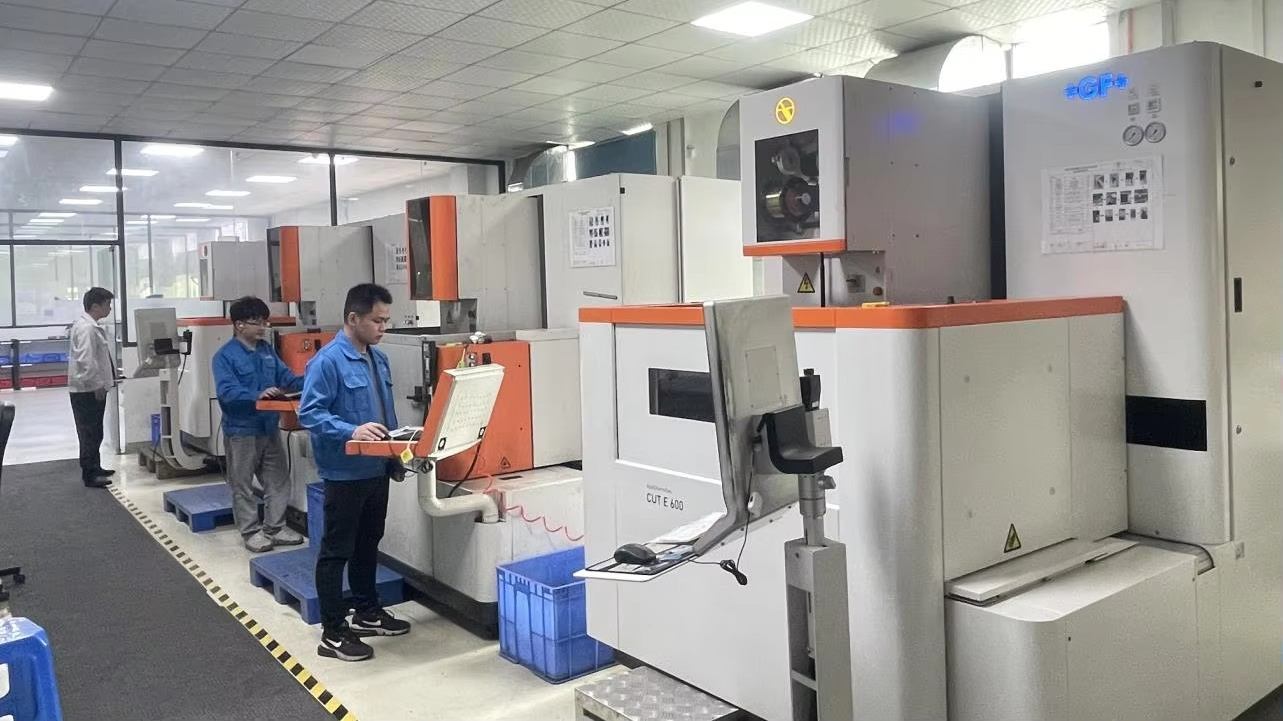
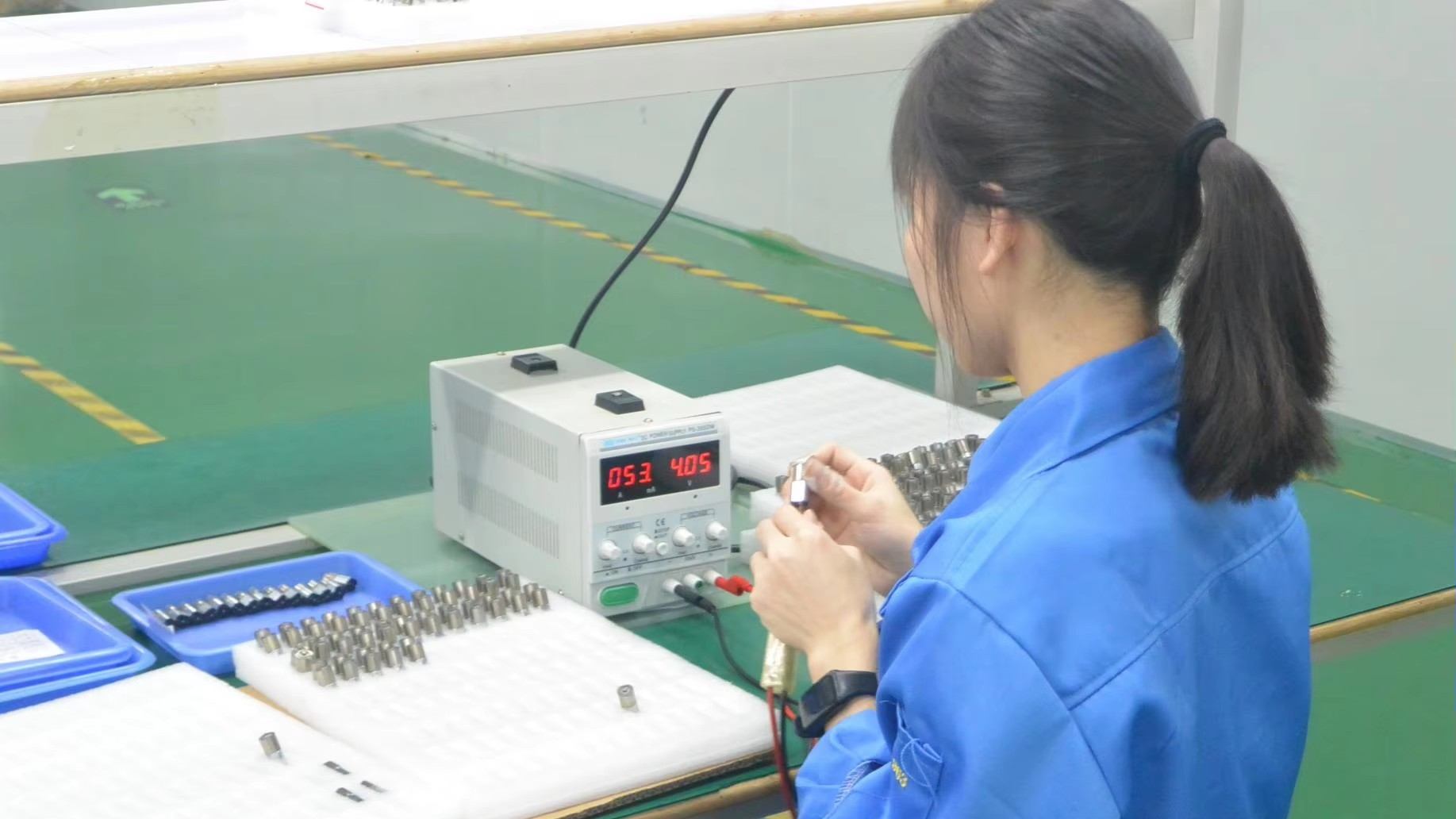
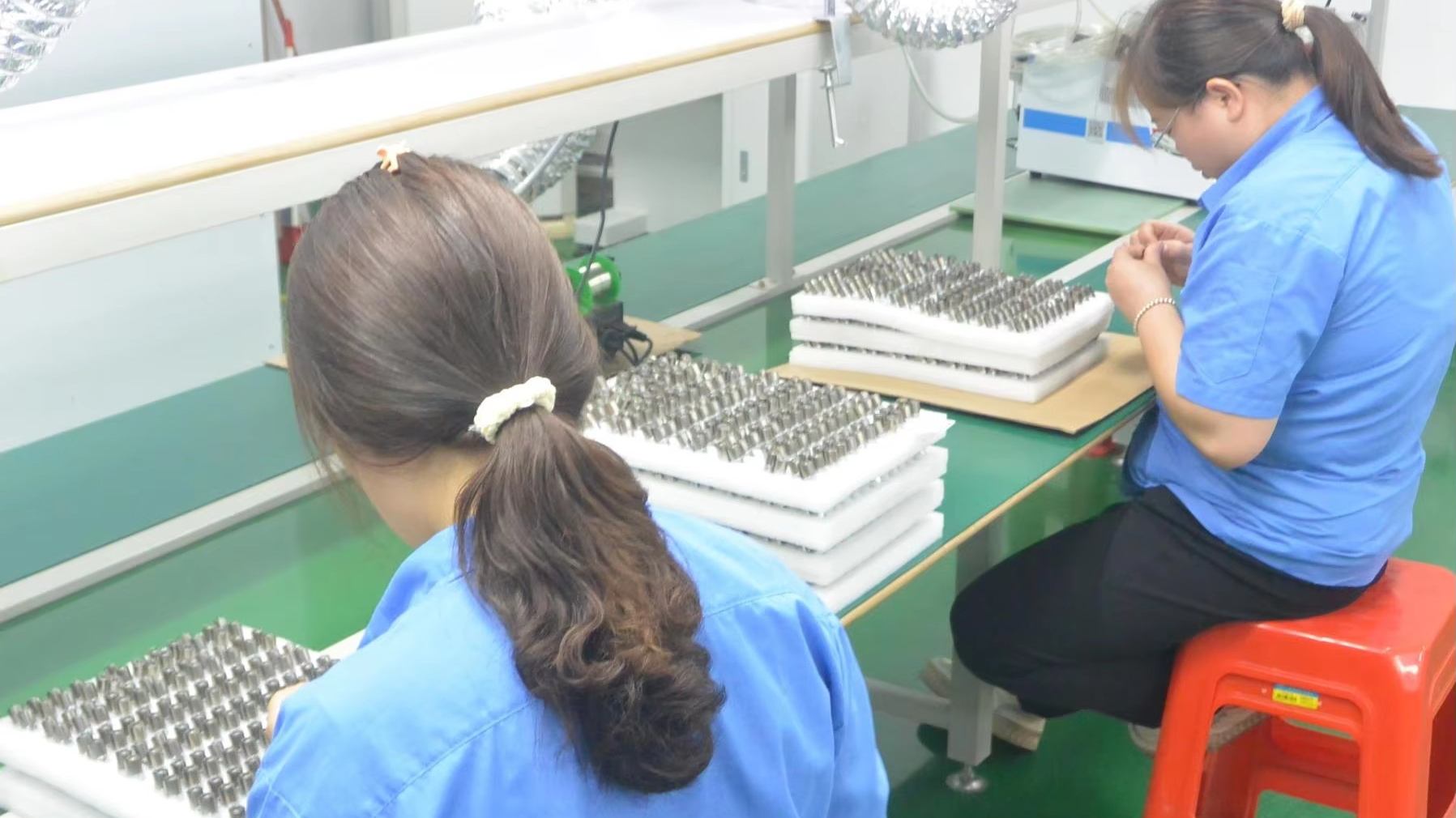
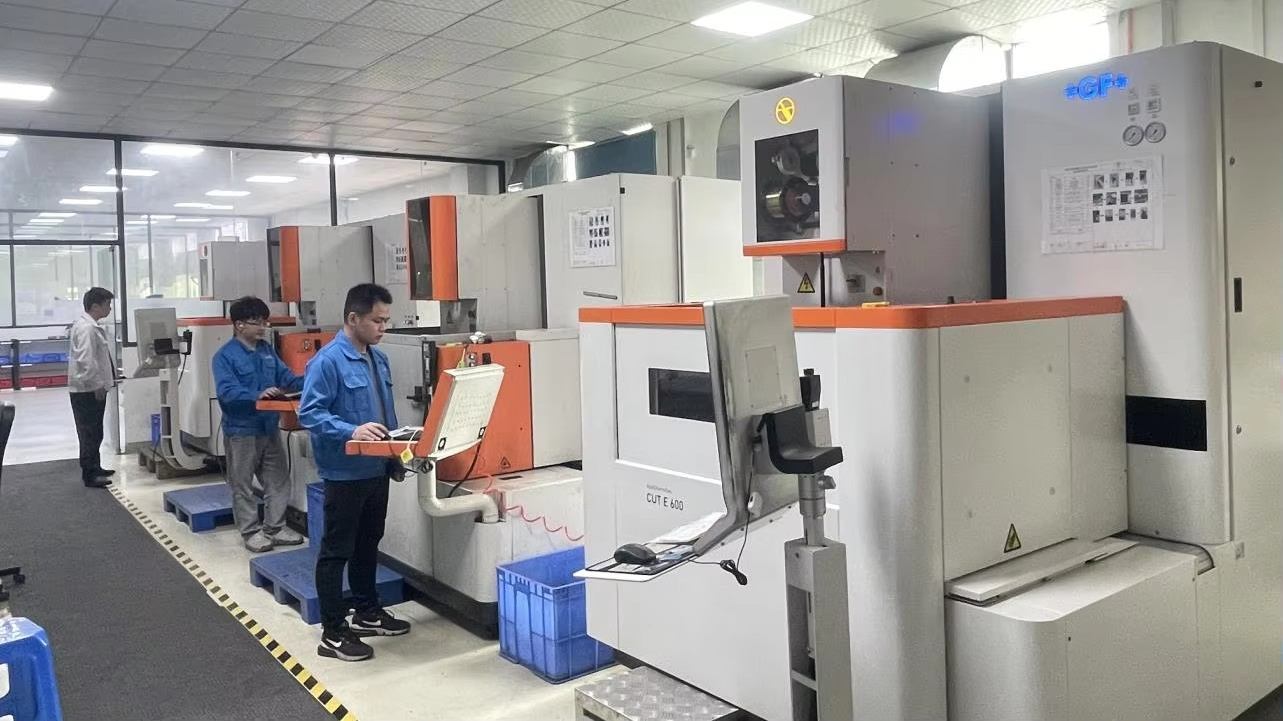
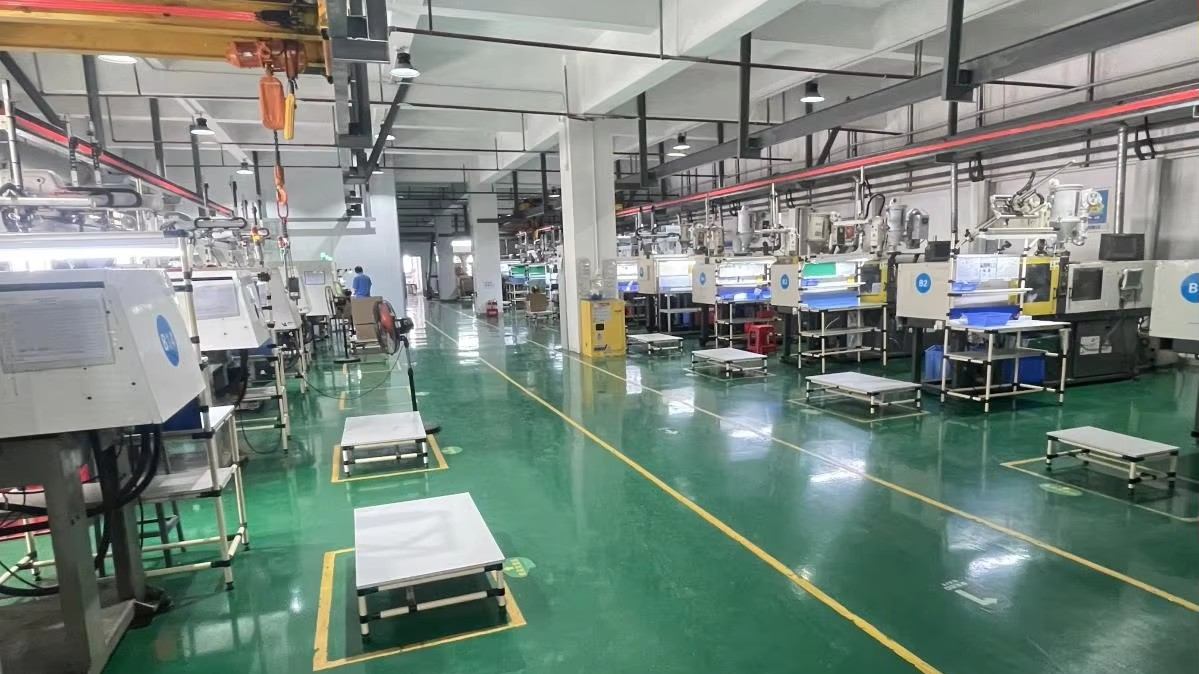
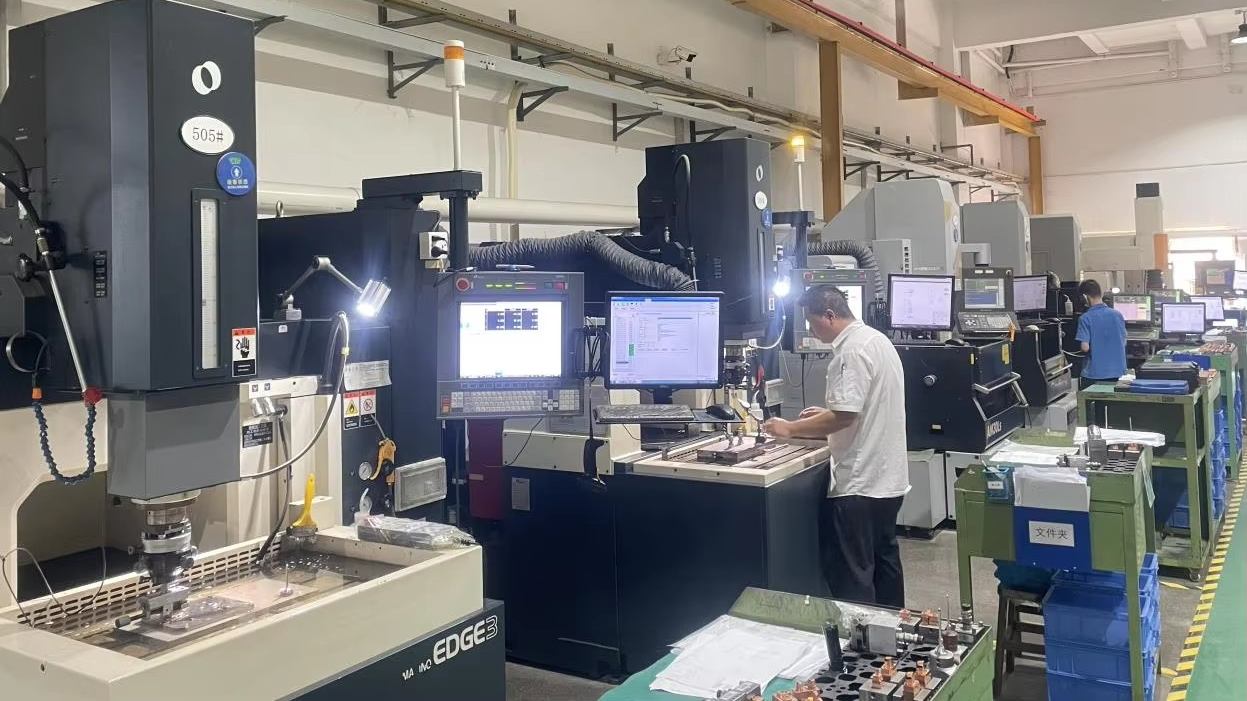
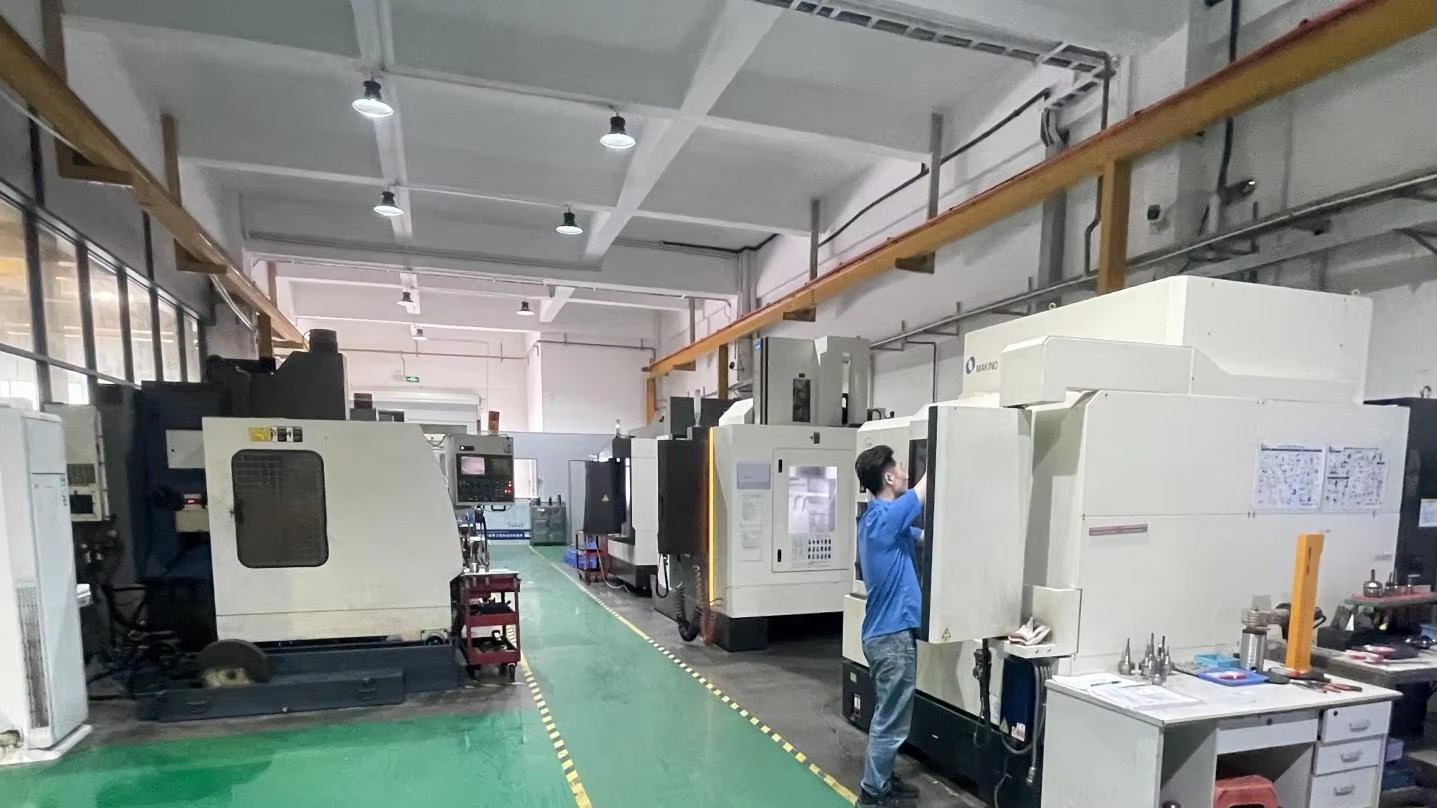
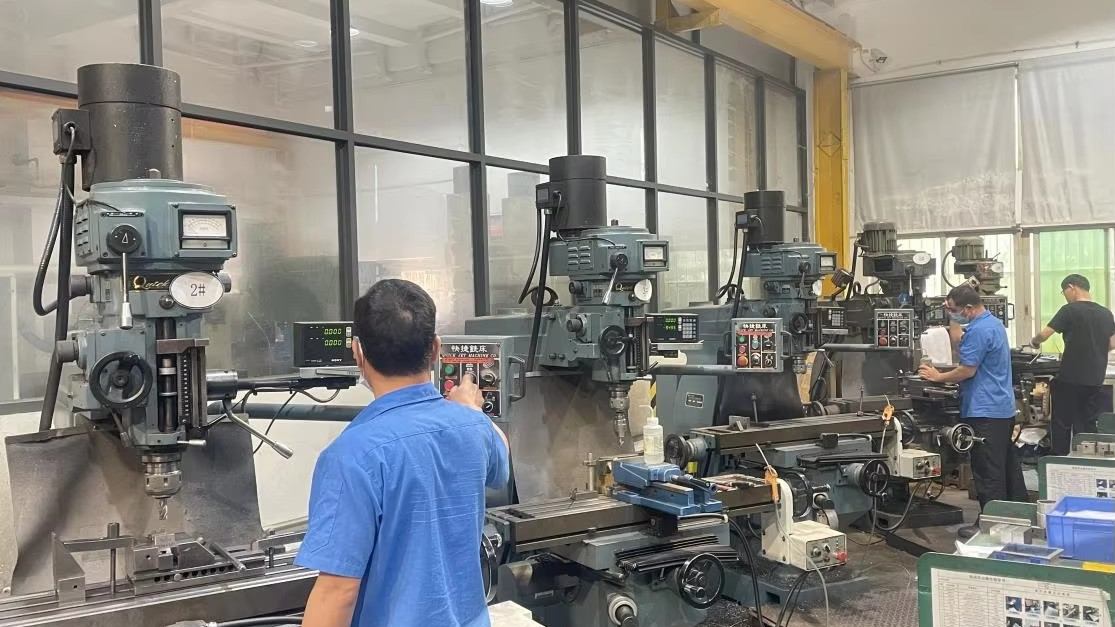
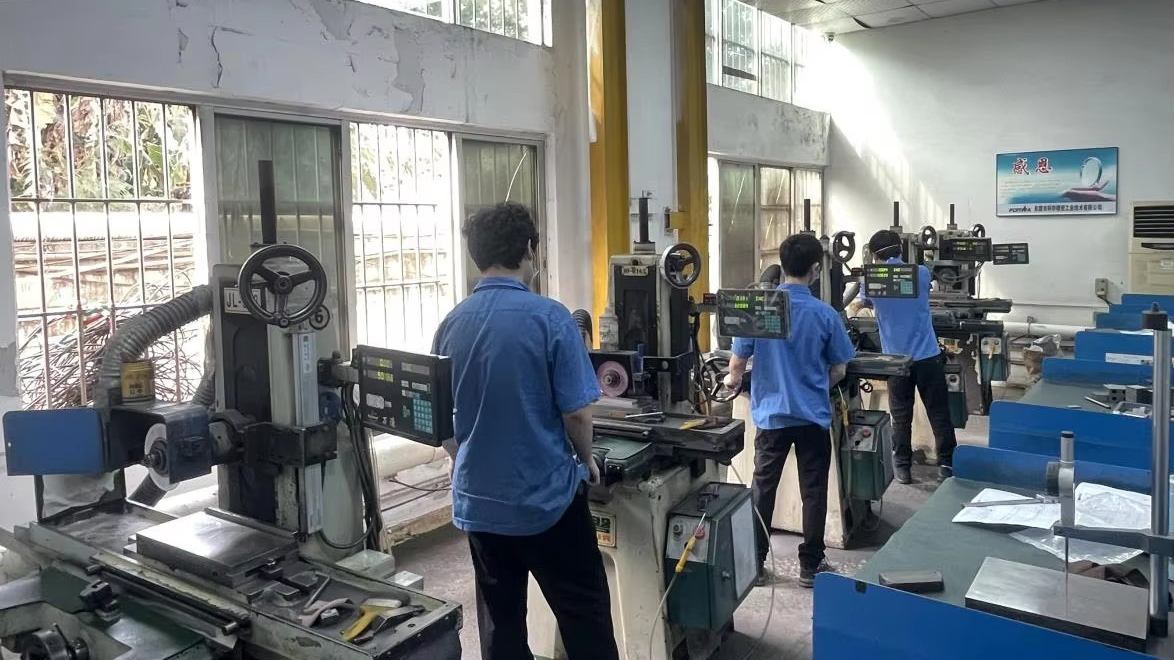
Building high-quality, quiet gear motors requires absolute precision at every stage of production. TQC utilizes advanced CNC, EDM, and injection molding machinery to ensure all internal components mesh perfectly, minimizing friction and keeping operational noise to a minimum.
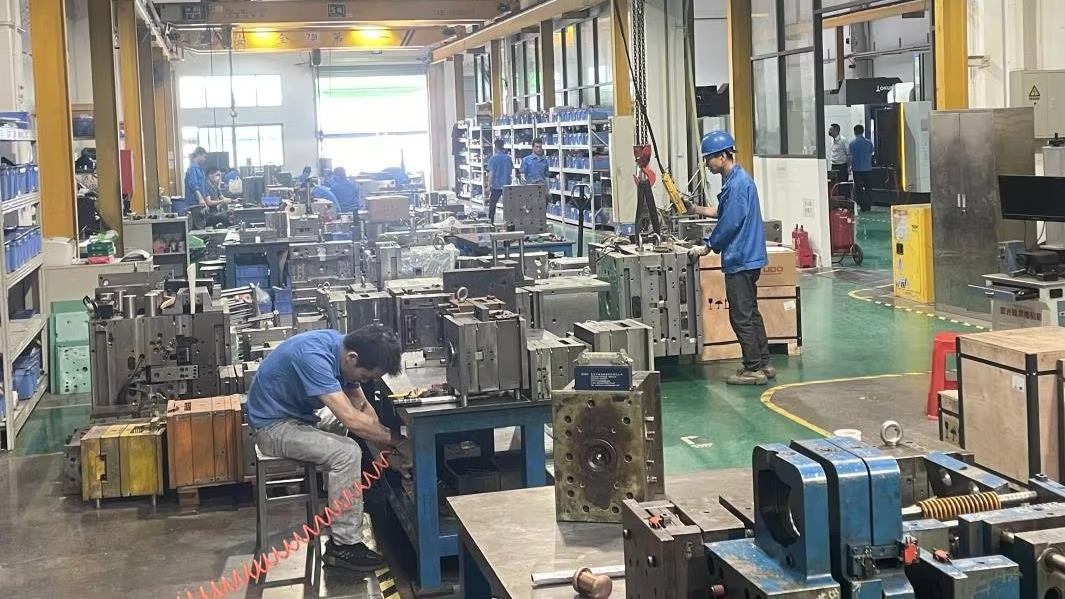
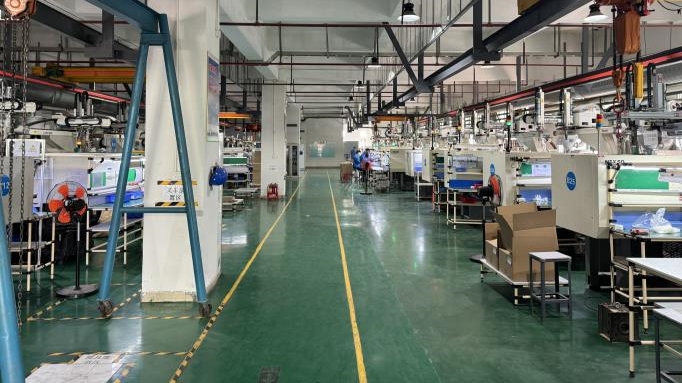
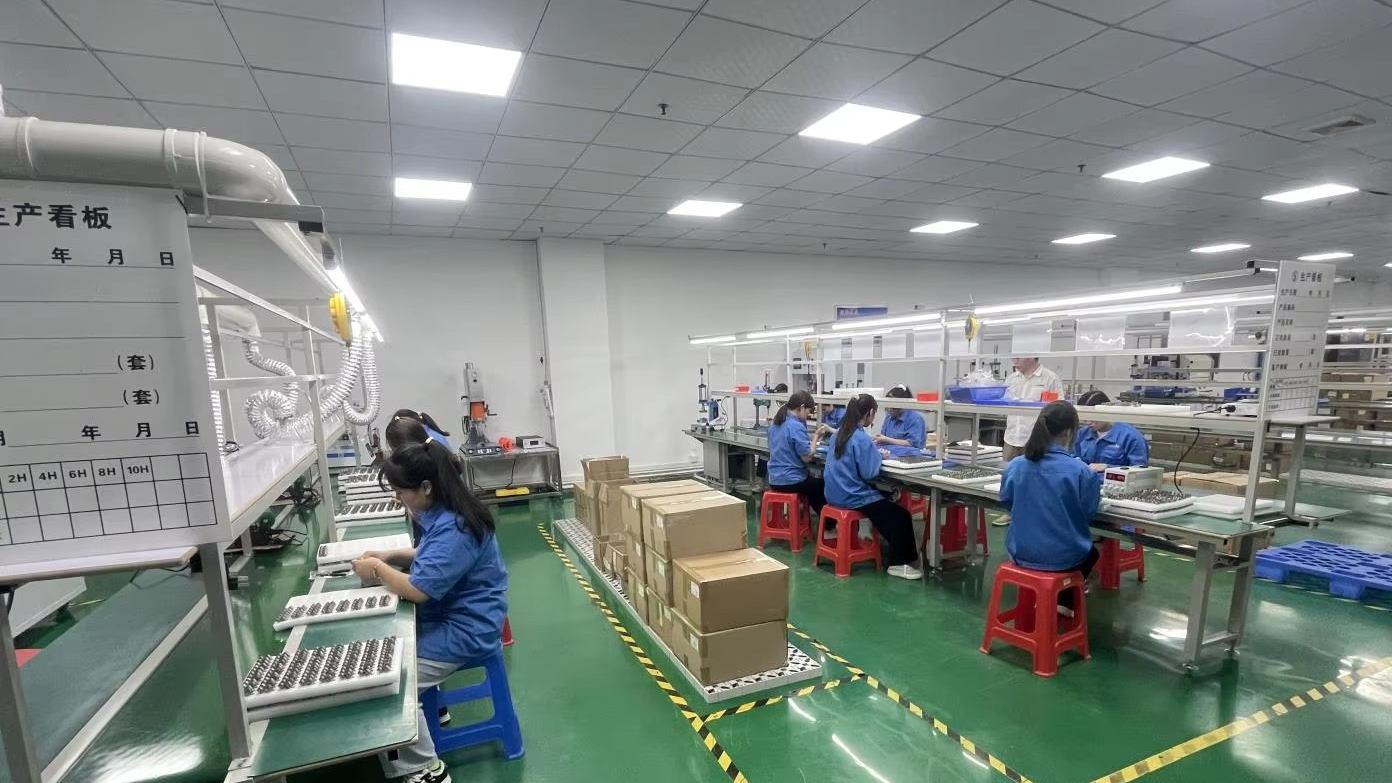
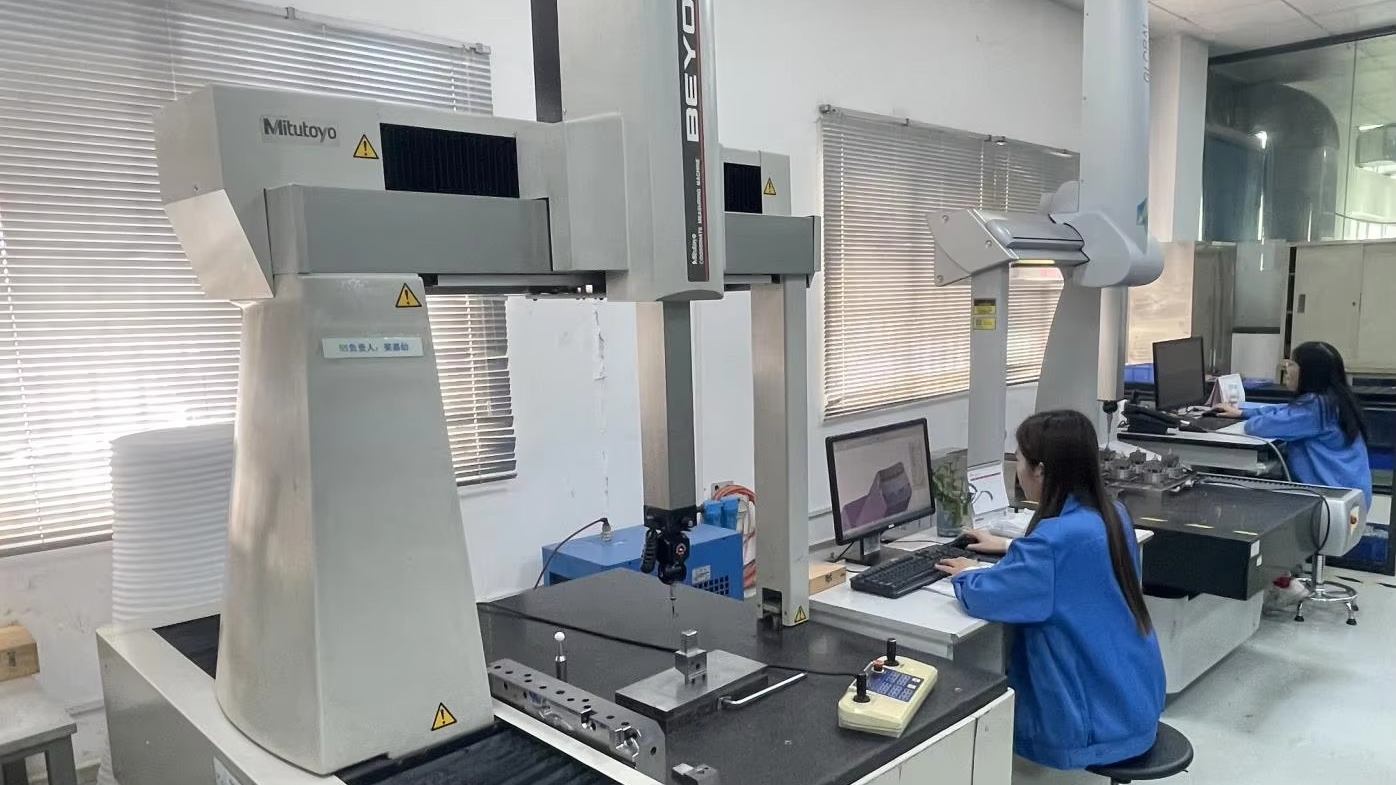
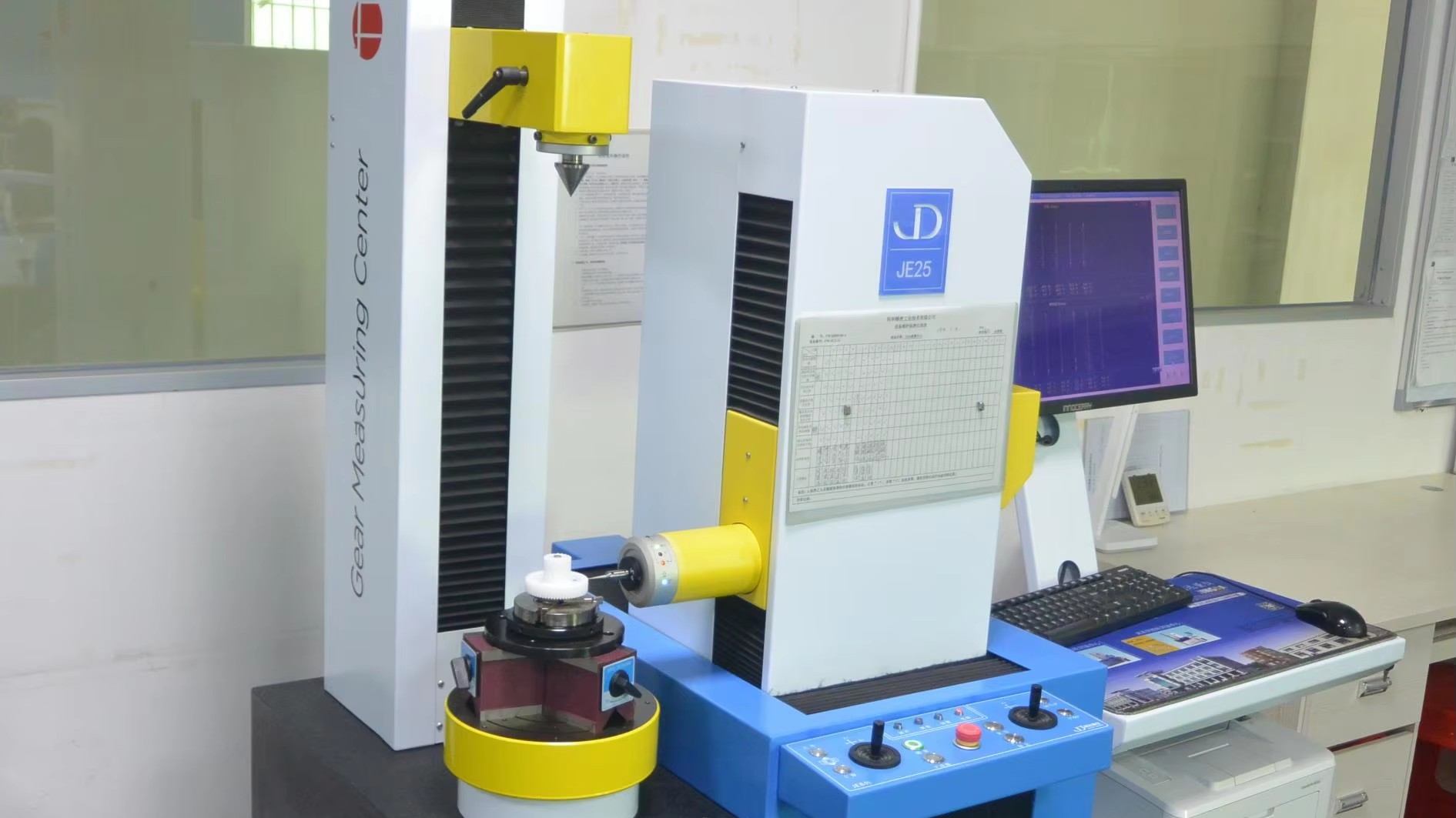
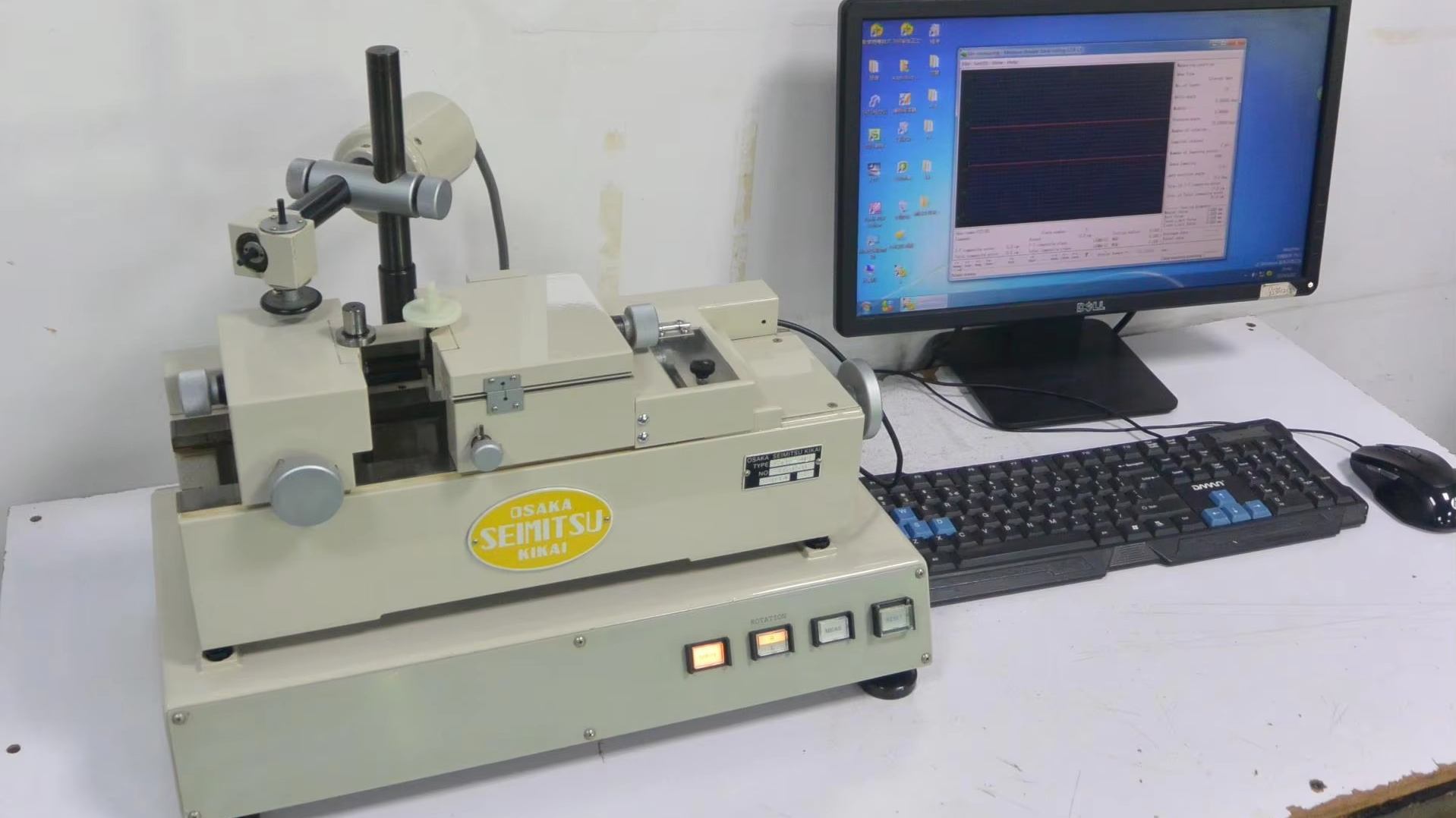

Procuring electric micro motors globally requires meeting strict international standards. TQC Micromotor ensures full alignment with the quality expectations, safety requirements, and supply chains of our international partners.
Our motors are designed, manufactured, and certified to meet RoHS, REACH, CE, and UL standards. This ensures they comply with international environmental and electrical safety requirements, allowing for smooth importation into Europe, North America, and other global markets.
Every batch of low-noise motors goes through strict acoustic testing in dedicated soundproof chambers. We measure decibel levels across various frequencies to ensure each motor operates smoothly, without any high-pitched resonance or vibration issues.
We work with trusted global shipping partners to offer secure, insured logistics by air or sea. Additionally, we provide safety stock agreements to help protect your production schedules from unexpected supply chain disruptions.
Different applications have different acoustic and performance needs. Below is an overview of how low-noise gear motors are optimized for common modern applications.
Target Noise Level: < 38 dBA
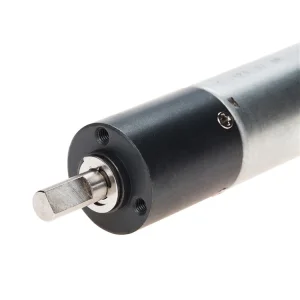
Mechanical Requirement: Smart locks require high starting torque in a compact size, while keeping motor operation quiet enough to not disturb household sleep. Using a 12mm or 28mm planetary plastic/nylon hybrid gearbox provides the right balance of strength and quietness.
Target Noise Level: < 42 dBA
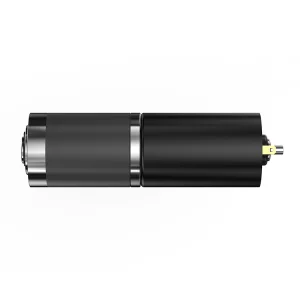
Mechanical Requirement: These home automation devices need reliable continuous torque. Our 12mm Brushless DC (BLDC) planetary gearboxes deliver long-lasting performance and high efficiency, ensuring consistent operation while keeping noise low in quiet living areas.
Target Noise Level: < 32 dBA
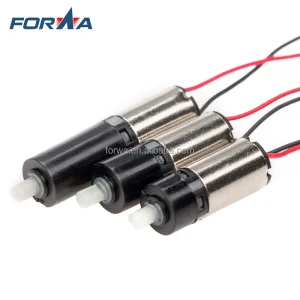
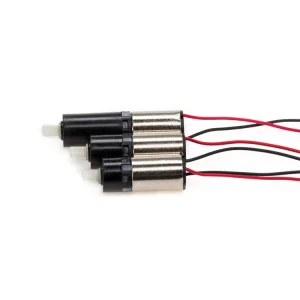
Mechanical Requirement: Devices like electric ear cleaners or small surgical tools need very smooth, vibration-free operation. Utilizing ultra-small 6mm coreless motors with high-precision gearboxes provides quiet, controlled power for sensitive medical environments.
Read through our technical FAQ to learn more about the design, materials, and processes that go into optimizing gear motor performance and reducing acoustic noise.
Noise in micro gear motors is typically caused by mechanical vibrations, high-frequency electromagnetic noise, and structural resonance. Mechanical noise comes from the friction and impact of the gear teeth meshing, rotor imbalance, and bearing wear. Using high-precision plastic injection molds and automated coil winding helps minimize these variances, significantly reducing overall vibration and noise.
Engineering plastics like POM (polyoxymethylene) and self-lubricating nylons absorb vibrations and damp sound waves much better than metals, making them ideal for quiet designs. However, because metal gears are stronger and handle high torque better, a hybrid gearbox layout is often the best choice: using quiet plastic gears for the fast-spinning input stage, and strong steel gears for the high-torque output stage.
Brushed DC motors use carbon brushes sliding against a rotating commutator, which creates friction, electrical sparks, and high-frequency noise. Brushless DC (BLDC) motors remove these physical brushes, relying on electronic control to switch the current. This design eliminates brush friction and electrical noise, making BLDC motors quieter, more efficient, and longer-lasting.
Backlash is the clearance gap between mating gear teeth. While some gap is needed to prevent binding and allow lubrication, too much backlash causes the teeth to clatter and vibrate during speed or direction changes, creating extra noise. TQC uses precise slow-wire EDM and high-precision coordinate measuring machines (CMM) to maintain tight tolerances and keep backlash to a minimum.
We test our gear motors in customized acoustic isolation chambers with a low ambient sound floor. High-sensitivity microphones measure the motor's sound output across a range of speeds and loads. This testing checks for both overall decibel levels and specific high-frequency spikes that could indicate manufacturing or assembly issues.
Yes. By using specialized engineering plastics like glass-filled nylon or PPS, along with high-temperature synthetic lubricants, our gear motors can operate reliably across wide temperature ranges (-20°C to +85°C) and high humidity. We can also seal the motor housing to protect against moisture and dust when needed.
For standard gear configurations with minor changes to the shaft or wiring, we can typically deliver functional prototype samples within 2 to 3 weeks. Fully customized designs that require new injection molds or gear geometries generally take 4 to 6 weeks, including full QA testing and dimensional checks.
We maintain quality through automated production machinery, strict incoming inspection of raw materials, and automated end-of-line testing. Equipment like our JE25 Measurement Center and automated gear testing systems allow us to check part dimensions continuously, keeping production runs consistent and reliable.
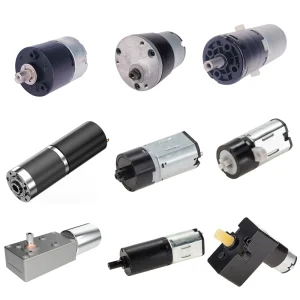
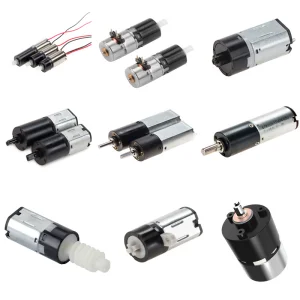
Browse our wider catalog of micro planetary gear motors, custom nylon spur gears, and high-stability actuators designed for smart home and industrial automation systems.
 Stepper Motor